STRONGER Act
Renews federal support for residential substance use disorder treatment and strengthens medication options, staff training, and connections to care after release.
In the Senate Judiciary Committee since Sept. 24, 2026, 14 days after it was introduced. Most bills never leave committee.
- INTRODUCEDINTROSEP 24, 2026
- COMMITTEECOMM.IN COMMITTEE
- SENATESENATE—
- HOUSEHOUSE—
- LAWLAW—
What the bill would do, and why it matters
People in prisons and jails may need treatment for substance use disorders during incarceration and after release. The STRONGER Act would renew federal support for residential treatment programs and let them use a wider range of approved medications. It would also require staff training, connections to providers after release, and grants for local facilities.
- INTRODUCED ONLY This bill has been introduced and possibly referred to a committee, but it has not passed any vote. Most introduced bills never become law — they die in committee without a hearing.
- DATA NOTE No Congressional Research Service summary was available.
- Expand medication-based treatment options
The program could support any FDA-approved medication or licensed biological product for substance use disorders, along with behavioral therapy. States could also use program funds for overdose-reversal medication during treatment or aftercare.
- Require training and release connections
To receive funds, a prison or jail’s chief medical officer or appropriate program staff would have to complete training on addiction, treatment, continuity of care, medications, and related topics. An entity receiving federal funds for a program that offers medication-assisted treatment would also need an affiliation with a provider able to prescribe at least one such treatment after release and discuss its risks, benefits, and alternatives with patients.
- Direct funds to local facilities
States would have to use at least 10% of their annual program funds for grants to local correctional and detention facilities, if those facilities exist in the state. Jail-based treatment could be offered to people awaiting trial or serving a jail sentence.
- Authorize treatment program funding
The bill would authorize $40,000,000 for each fiscal year from 2027 through 2031 for the residential substance use disorder treatment projects.
- Update the program’s treatment definition
The bill would define residential substance use disorder treatment as comprehensive individual and group services in residential facilities that, to the greatest extent practicable, follow Bureau of Justice Assistance guidance or later updates reflecting current standards of care.
Treatment in a correctional setting can involve care during incarceration and after release. The bill would support both treatment in residential programs and connections to providers when patients leave the facility.
The bill would also authorize $40,000,000 for each fiscal year from 2027 through 2031. That is an authorization, not itself an appropriation of the funds.
Written from the bill text.
The path it took, step by step
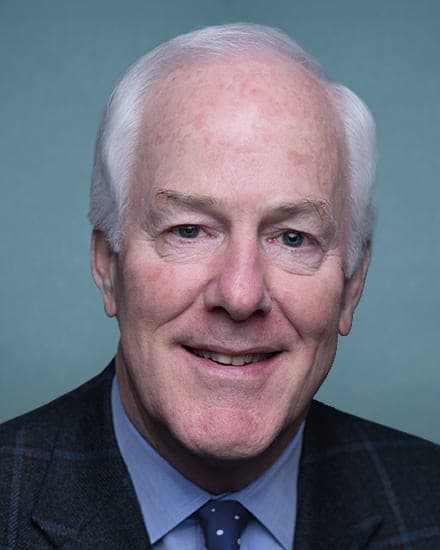
- IntroducedSEP 24, 2026SENATESEP 24, 2026By Sen. CornynReferred to Judiciary
- SAME DAYNOWSenate committeeSEP 24, 2026JUDICIARY NOWSEP 24, 2026In committee for 14 daysNo hearing yet
- 14 DAYS SO FARPassed the Senate—SENATE FLOOR—Not scheduled
- House committee—HOUSE—
- Passed the House—HOUSE FLOOR—Not scheduled
- Resolve differencesONLY IF NEEDEDBOTH CHAMBERSONLY IF NEEDEDSkipped if the other chamber passes the same text
- Signed into law—PRESIDENT—10 days to sign or veto
- SEP 242026SEP 24, 2026REFERREDRead twice and referred to the Committee on the Judiciary.
- SEP 242026SEP 24, 2026INTRODUCEDSENATEIntroduced in Senate
At day 14, this bill is already older than 3% of the laws passed this Congress were when they were signed.
Where your members stand on it
Support from one state
Plus the sponsor, a Republican. Every cosponsor is from one party.
Plus the sponsor, a Republican. Every cosponsor is from one party.
Sen. Cornyn’s record: sponsored 139 bills this Congress. 25 passed the Senate; 3 became law.
- Sheldon WhitehouseD-RISEP 28, 2026
What readers think
Discussion
Get an alert when it changes stage, gets a floor vote in the Senate, or is signed into law.