Sexual Abuse Services in Detention Act
Authorizes grants for support services and training for incarcerated survivors of sexual abuse, and requires a national resource center.
In the Senate Judiciary Committee since Sept. 24, 2026, 14 days after it was introduced. Most bills never leave committee.
- INTRODUCEDINTROSEP 24, 2026
- COMMITTEECOMM.IN COMMITTEE
- SENATESENATE—
- HOUSEHOUSE—
- LAWLAW—
What the bill would do, and why it matters
People in detention who experience sexual abuse may need confidential emotional support and counseling. The bill would authorize grants for survivor services and staff training, and require a national resource center to provide guidance and share resources. It would also require training grantees to track service usage.
- INTRODUCED ONLY This bill has been introduced and possibly referred to a committee, but it has not passed any vote. Most introduced bills never become law — they die in committee without a hearing.
- DATA NOTE No Congressional Research Service summary was available.
- Fund counseling services for survivors
The Attorney General could award grants to qualified nonprofit providers that work with Federal, State, local, or Tribal authorities to offer emotional support services to incarcerated survivors of sexual abuse. Services could include crisis support, counseling, safety planning, hotline help, and support with trauma reactions.
- Train corrections staff and agencies
The Attorney General could award grants for training corrections agencies, facilities, officers, and administrators on providing emotional support services. Grant recipients would also collect and maintain data on training-service usage on a biannual basis.
- Create a national resource center
The Attorney General would establish a center to provide guidance and training to corrections facilities and service providers, and to gather and share resources, research, and best practices.
The bill addresses how incarcerated survivors of sexual abuse could access emotional support and how corrections personnel could learn to provide or support those services. Its proposed grant programs would also create a national source of guidance and training for facilities and service providers.
Written from the bill text.
The path it took, step by step
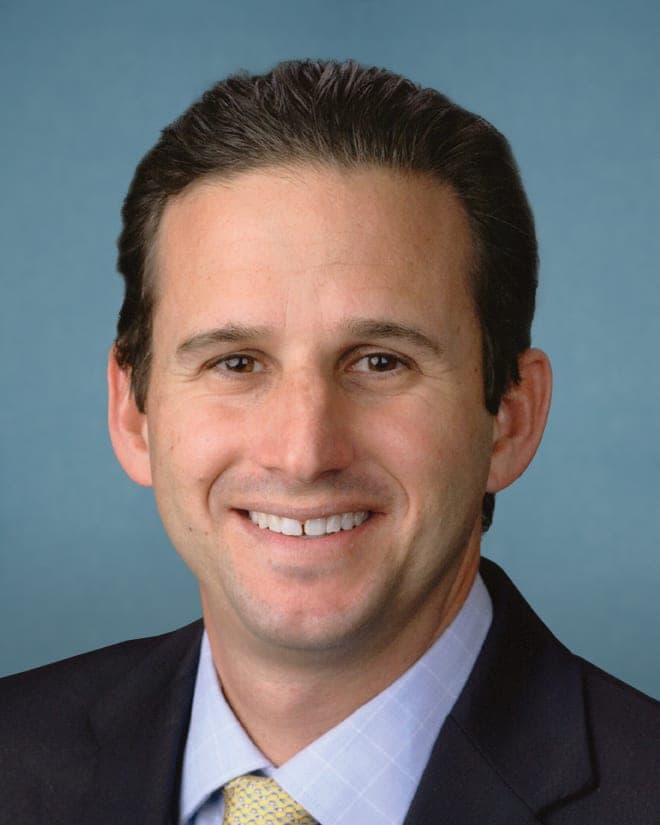
- IntroducedSEP 24, 2026SENATESEP 24, 2026By Sen. Schatz with 3 original cosponsorsReferred to Judiciary
- SAME DAYNOWSenate committeeSEP 24, 2026JUDICIARY NOWSEP 24, 2026In committee for 14 daysNo hearing yet
- 14 DAYS SO FARPassed the Senate—SENATE FLOOR—Not scheduled
- House committee—HOUSE—
- Passed the House—HOUSE FLOOR—Not scheduled
- Resolve differencesONLY IF NEEDEDBOTH CHAMBERSONLY IF NEEDEDSkipped if the other chamber passes the same text
- Signed into law—PRESIDENT—10 days to sign or veto
- SEP 242026SEP 24, 2026REFERREDRead twice and referred to the Committee on the Judiciary.
- SEP 242026SEP 24, 2026INTRODUCEDSENATEIntroduced in Senate
At day 14, this bill is already older than 3% of the laws passed this Congress were when they were signed.
In committee · Judiciary · 1 cosponsor · introduced by Sydney Kamlager-Dove.
H.R. 10565 is the same bill introduced in the House. Companion bills let both chambers work on one idea at once; when one passes, the other chamber often takes up the version that already passed.
OPEN H.R. 10565 →Where your members stand on it
A coalition from 3 states
Plus the sponsor, a Democrat. The smaller side has 1 member.
Plus the sponsor, a Democrat. The smaller side has 1 member.
Sen. Schatz’s record: sponsored 67 bills this Congress. 5 passed the Senate; 0 became law.
- John CornynR-TXORIGINAL
- Richard J. DurbinD-ILORIGINAL
- John KennedyR-LAORIGINAL
What readers think
Discussion
Get an alert when it changes stage, gets a floor vote in the Senate, or is signed into law.