Building and Maintaining Homeless Shelters Act
Creates competitive grants for shelter and permanent supportive housing construction and infrastructure.
In the Senate Banking, Housing, and Urban Affairs Committee since Sept. 24, 2026, 14 days after it was introduced. Most bills never leave committee.
- INTRODUCEDINTROSEP 24, 2026
- COMMITTEECOMM.IN COMMITTEE
- SENATESENATE—
- HOUSEHOUSE—
- LAWLAW—
What the bill would do, and why it matters
Homelessness services depend in part on having safe places to stay and supportive housing. The bill would create competitive federal grants for eligible governments, housing agencies, and nonprofits to build, improve, or acquire shelters and permanent supportive housing. It would set rules for grant allocation and for construction using the funds.
- INTRODUCED ONLY This bill has been introduced and possibly referred to a committee, but it has not passed any vote. Most introduced bills never become law — they die in committee without a hearing.
- DATA NOTE No Congressional Research Service summary was available.
- Create competitive housing grants
HUD would award grants to eligible state and local governments, tribal governments and housing entities, public housing agencies, and qualifying tax-exempt organizations. Grants would support shelter infrastructure and increase shelter capacity and permanent supportive housing units.
- Allow a range of capital projects
Grant money could pay for construction, rehabilitation, or acquisition of shelters and permanent supportive housing, property for new facilities, and other physical infrastructure such as energy improvements, mobile health clinics, day centers, and non-congregate shelters. Recipients could use up to 10% of a grant for project planning and administrative costs.
- Set grant allocation requirements
HUD would have to allocate half of the appropriated funds to shelters and half to permanent supportive housing. At least 5% would go to tribal governments or tribally designated housing entities, and at least 40% would go to eligible entities in rural areas.
- Set rules for funded construction
Projects funded by grants would have to follow domestic-content purchasing preferences and pay construction workers, including contractor and subcontractor workers, prevailing wages.
- Set limits on grant discrimination
HUD could not reject an eligible entity because it is faith-based. It could not award grants to eligible entities that discriminate based on sexual orientation, gender identity, or sex stereotype.
The proposal would give communities a federal grant route for shelter and permanent supportive housing infrastructure, including projects intended to expand capacity. That could help address physical facility needs, but the funds would be distributed under required housing-type and location allocations.
Written from the bill text.
The path it took, step by step
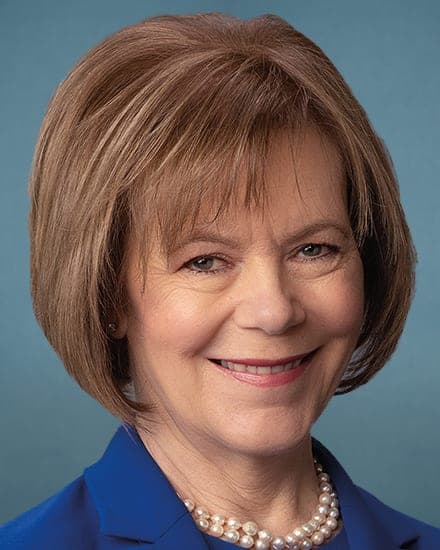
- IntroducedSEP 24, 2026SENATESEP 24, 2026By Sen. SmithReferred to Banking, Housing, and Urban Affairs
- SAME DAYNOWSenate committeeSEP 24, 2026BANKING, HOUSING, & URBAN AFFAIRS NOWSEP 24, 2026In committee for 14 daysNo hearing yet
- 14 DAYS SO FARPassed the Senate—SENATE FLOOR—Not scheduled
- House committee—HOUSE—
- Passed the House—HOUSE FLOOR—Not scheduled
- Resolve differencesONLY IF NEEDEDBOTH CHAMBERSONLY IF NEEDEDSkipped if the other chamber passes the same text
- Signed into law—PRESIDENT—10 days to sign or veto
- SEP 242026SEP 24, 2026REFERREDRead twice and referred to the Committee on Banking, Housing, and Urban Affairs.
- SEP 242026SEP 24, 2026INTRODUCEDSENATEIntroduced in Senate
At day 14, this bill is already older than 3% of the laws passed this Congress were when they were signed.
Where your members stand on it
What readers think
Discussion
Get an alert when it changes stage, gets a floor vote in the Senate, or is signed into law.