DEFEND IP Act
Lets copyright owners seek court orders restricting U.S. access to certain foreign online piracy sites.
In the Senate Judiciary Committee since Sept. 24, 2026, 12 days after it was introduced. Most bills never leave committee.
- INTRODUCEDINTROSEP 24, 2026
- COMMITTEECOMM.IN COMMITTEE
- SENATESENATE—
- HOUSEHOUSE—
- LAWLAW—
What the bill would do, and why it matters
Copyright law gives owners rights over how their work is used, and disputes can involve websites outside the United States. The DEFEND IP Act would let copyright owners and exclusive licensees ask a court to designate certain foreign online locations as piracy sites. They could then seek orders requiring specified providers to take reasonable steps to block U.S. users’ access, subject to court review and opportunities to contest.
- INTRODUCED ONLY This bill has been introduced and possibly referred to a committee, but it has not passed any vote. Most introduced bills never become law — they die in committee without a hearing.
- DATA NOTE No Congressional Research Service summary was available.
- Let copyright holders seek site designations
A copyright owner or exclusive licensee could ask a U.S. district court to designate a foreign online location as a piracy site. The court would have to find likely infringement and irreparable harm, along with other conditions, including that the site is primarily designed or used for infringement or is marketed to promote it.
- Allow orders to restrict access
After a site is designated, the petitioner could ask the same court to order identified service providers to take reasonable measures to prevent users in the United States from accessing it. The court would weigh factors including effectiveness, technical feasibility, effects on lawful material, public interest and less burdensome alternatives; it could not prescribe specific technical measures.
- Give operators and providers a chance to contest
A site operator could appear to contest designation, and a service provider could contest being included in an access-restriction order. A court could not designate a site—or could rescind its designation—if its operator submits to the court’s jurisdiction, posts a sufficient bond and complies with orders to stop the infringing activity.
- Set provider protections and court review
Providers would have immunity for good-faith actions to carry out an order or reliance on information supplied under it, including if the site was inaccurately identified. Courts could review providers’ compliance, and operators of other locations blocked by mistake could ask the court to modify or rescind the order.
The practical stakes are whether copyright owners can use court orders to limit U.S. access to foreign online locations accused of infringement, including transmissions of live events. The process also affects how courts weigh the risk of blocking lawful material and the burdens placed on internet providers.
Written from the bill text.
The path it took, step by step
- IntroducedSEP 24, 2026SENATESEP 24, 2026By Sen. Tillis with 3 original cosponsorsReferred to Judiciary
- SAME DAYNOWSenate committeeSEP 24, 2026JUDICIARY NOWSEP 24, 2026In committee for 12 daysNo hearing yet
- 12 DAYS SO FARPassed the Senate—SENATE FLOOR—Not scheduled
- House committee—HOUSE—
- Passed the House—HOUSE FLOOR—Not scheduled
- Resolve differencesONLY IF NEEDEDBOTH CHAMBERSONLY IF NEEDEDSkipped if the other chamber passes the same text
- Signed into law—PRESIDENT—10 days to sign or veto
- SEP 242026SEP 24, 2026REFERREDRead twice and referred to the Committee on the Judiciary.
- SEP 242026SEP 24, 2026INTRODUCEDSENATEIntroduced in Senate
At day 12, this bill is already older than 3% of the laws passed this Congress were when they were signed.
Where your members stand on it
A coalition from 3 states
Plus the sponsor, a Republican. The smaller side has 1 member.
Plus the sponsor, a Republican. The smaller side has 1 member.
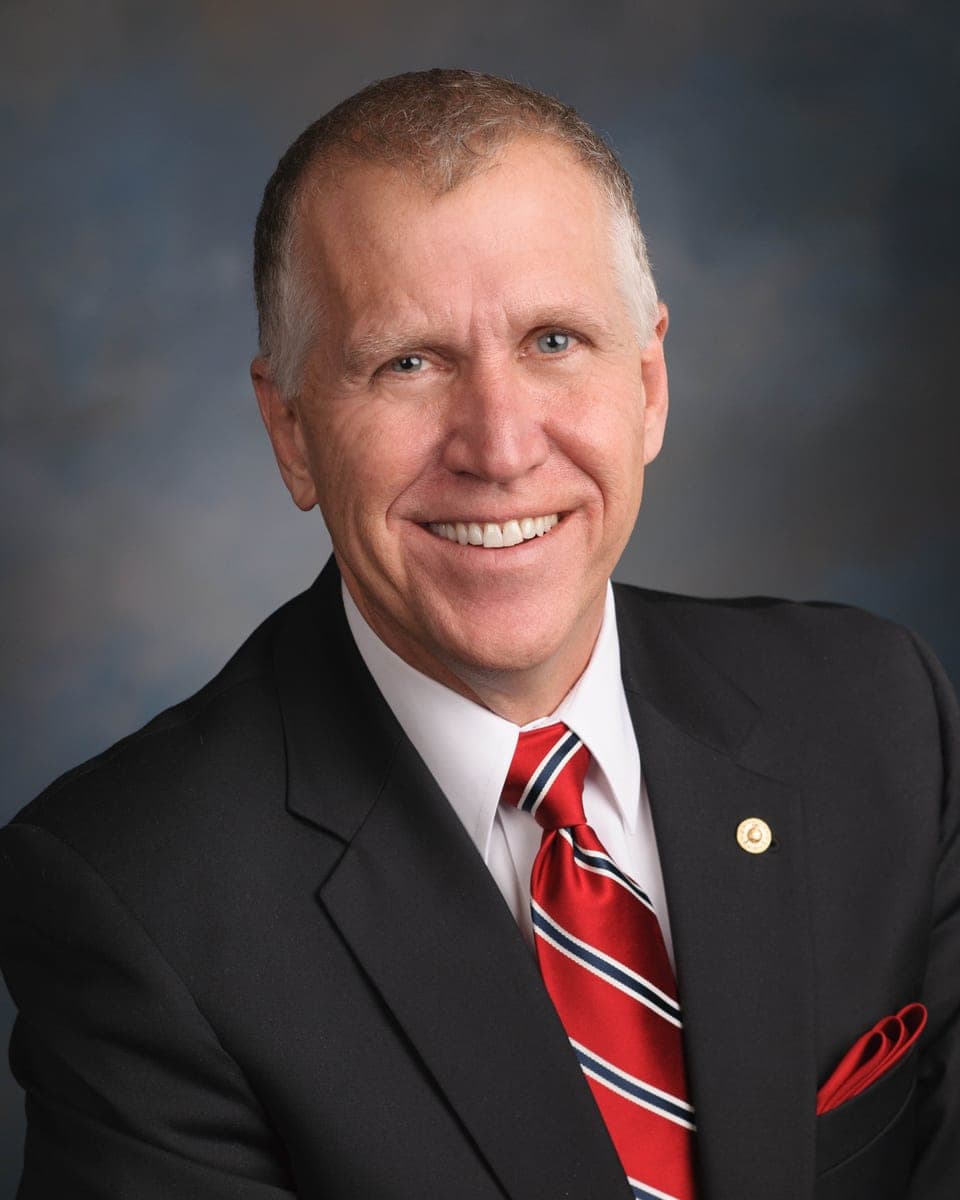
Sen. Tillis’s record: sponsored 60 bills this Congress. 6 passed the Senate; 1 became law.
- Marsha BlackburnR-TNORIGINAL
- Christopher A. CoonsD-DEORIGINAL
- Adam B. SchiffD-CAORIGINAL
What readers think
Discussion
Get an alert when it changes stage, gets a floor vote in the Senate, or is signed into law.