Workforce Opportunities for Communities in Recovery Act
Creates workforce grants to help communities address substance use disorder’s effects on workers, jobs, and recovery support.
In the Senate Health, Education, Labor, and Pensions Committee since Sept. 24, 2026, 14 days after it was introduced. Most bills never leave committee.
- INTRODUCEDINTROSEP 24, 2026
- COMMITTEECOMM.IN COMMITTEE
- SENATESENATE—
- HOUSEHOUSE—
- LAWLAW—
What the bill would do, and why it matters
Substance use disorder can affect workers’ ability to find or keep jobs and communities’ workforce needs. The bill would create grants for workforce boards and community partners to connect affected workers with jobs, training, and recovery-related support. It would also fund training for workers entering occupations that serve people with substance use disorder and require an evaluation of the pilot.
- INTRODUCED ONLY This bill has been introduced and possibly referred to a committee, but it has not passed any vote. Most introduced bills never become law — they die in committee without a hearing.
- DATA NOTE No Congressional Research Service summary was available.
- Creates competitive workforce-recovery grants
The Secretary of Labor would award two-year grants to state or local workforce boards working with partners such as treatment providers, employers, education providers, community organizations, and government agencies. Grants would go to areas showing economic or workforce harm associated with widespread substance use disorder.
- Serves workers affected by substance use disorder
Partnerships could serve workers affected directly or indirectly by substance use disorder, including dislocated workers, people facing barriers to employment, new workforce entrants, and employed or underemployed workers. They could also serve workers seeking skills for jobs that support people with substance use disorder or people at risk of developing it.
- Connects workers with jobs and recovery support
Grant activities could include employer engagement, job training, help connecting workers to jobs, treatment and peer recovery services, and other support intended to help participants maintain employment and recovery. Partnerships would coordinate supportive services with career services.
- Requires reporting and independent evaluation
Grant recipients would report quarterly, and an independent evaluation would assess the pilot’s effect on employment for people with substance use disorders. Applicants would have to agree to pay at least part of the evaluation’s cost.
- Authorizes funding through fiscal year 2032
The bill would authorize appropriations for the grants for fiscal years 2027 through 2032.
The bill is aimed at the economic and workforce effects of widespread substance use disorder. It would link workforce services with treatment and recovery supports, while testing whether the pilot affects employment.
Written from the bill text.
The path it took, step by step
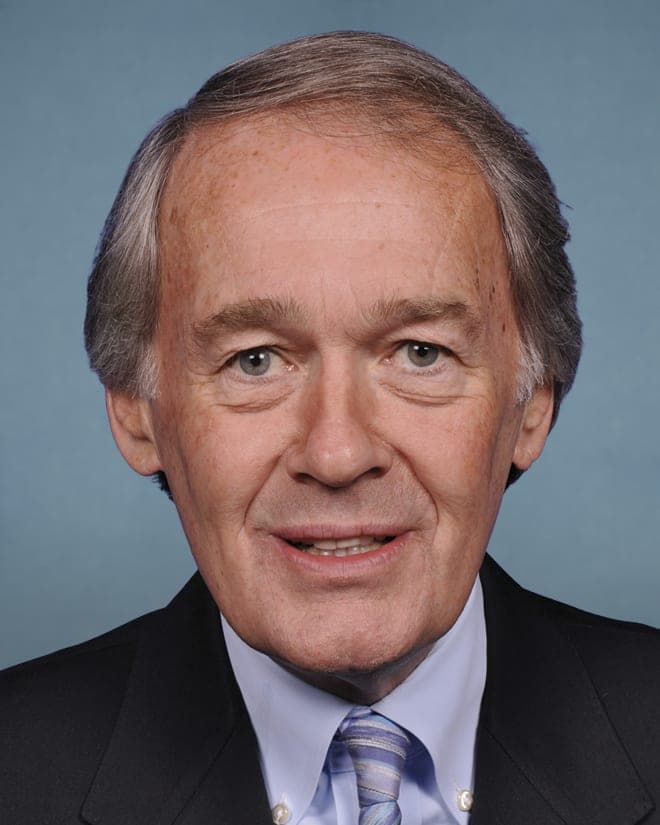
- IntroducedSEP 24, 2026SENATESEP 24, 2026By Sen. MarkeyReferred to Health, Education, Labor, and Pensions
- SAME DAYNOWSenate committeeSEP 24, 2026HEALTH, EDUCATION, LABOR, & PENSIONS NOWSEP 24, 2026In committee for 14 daysNo hearing yet
- 14 DAYS SO FARPassed the Senate—SENATE FLOOR—Not scheduled
- House committee—HOUSE—
- Passed the House—HOUSE FLOOR—Not scheduled
- Resolve differencesONLY IF NEEDEDBOTH CHAMBERSONLY IF NEEDEDSkipped if the other chamber passes the same text
- Signed into law—PRESIDENT—10 days to sign or veto
- SEP 242026SEP 24, 2026REFERREDRead twice and referred to the Committee on Health, Education, Labor, and Pensions.
- SEP 242026SEP 24, 2026INTRODUCEDSENATEIntroduced in Senate
At day 14, this bill is already older than 3% of the laws passed this Congress were when they were signed.
Where your members stand on it
What readers think
Discussion
Get an alert when it changes stage, gets a floor vote in the Senate, or is signed into law.