Ukrainian Adjustment Act of 2026
Creates a permanent-residence pathway for eligible Ukrainians in the United States, with security screening and protections for certain family members.
In the Senate Judiciary Committee since Sept. 24, 2026, 14 days after it was introduced. Most bills never leave committee.
- INTRODUCEDINTROSEP 24, 2026
- COMMITTEECOMM.IN COMMITTEE
- SENATESENATE—
- HOUSEHOUSE—
- LAWLAW—
What the bill would do, and why it matters
Some Ukrainians in the United States may seek a lasting legal status. The bill would create a route for eligible Ukrainians and certain family members to apply for permanent residence. Applicants would face security screening and an individualized review, while the bill would also set fee rules and protections for people with pending applications.
- INTRODUCED ONLY This bill has been introduced and possibly referred to a committee, but it has not passed any vote. Most introduced bills never become law — they die in committee without a hearing.
- DATA NOTE No Congressional Research Service summary was available.
- Create a path to permanent residence
Eligible Ukrainians physically present in the United States could apply to become lawful permanent residents. Eligibility would cover people who entered through specified admission or parole routes, including certain accompanying family members and caregivers; approved applicants would be exempt from immigration numerical limits, and their permanent-resident status would be recorded from their first inspection and admission or parole.
- Require screening and individual review
Applicants would need security and law-enforcement background checks and vetting equivalent to that used for refugees admitted through the U.S. Refugee Admissions Program. The Secretary of Homeland Security would also have to find, based on specific and individualized facts, that granting status is not contrary to the country's national welfare, public safety, or national security.
- Protect applicants while decisions are pending
Applicants and dependents included in a bona fide application who follow its requirements generally could not be removed, treated as unlawfully present, or treated as unauthorized workers while a final administrative decision is pending. Removal could still occur if the Secretary makes a preliminary finding that the applicant is or has become ineligible.
- Limit fees and allow waivers
Fees for applications, employment authorization, and related cards or documents could not exceed the administrative cost of processing or issuing them. Eligible applicants would be allowed to seek a waiver of application fees.
- Preserve relief for abused spouses
A person whose marriage to a qualifying Ukrainian applicant ended could qualify through the family-member route for up to 2 years after the marriage ended if battering or extreme cruelty by the principal applicant was connected to the end of the marriage. The bill also directs the Secretary to apply specified protections when reviewing applications involving battered spouses and children.
The practical difference would be a specific route to permanent residence for eligible Ukrainians and some connected family members. The bill would also set out how applications are screened and reviewed, and how applicants are treated while decisions are pending.
It would exempt people granted status through this route from existing immigration numerical limits. It would also permit certain waivers of immigration inadmissibility grounds, while excluding specified security-related grounds and limiting waivers for certain criminal conduct.
Written from the bill text.
The path it took, step by step
- IntroducedSEP 24, 2026SENATESEP 24, 2026By Sen. Murkowski with 2 original cosponsorsReferred to Judiciary
- SAME DAYNOWSenate committeeSEP 24, 2026JUDICIARY NOWSEP 24, 2026In committee for 14 daysNo hearing yet
- 14 DAYS SO FARPassed the Senate—SENATE FLOOR—Not scheduled
- House committee—HOUSE—
- Passed the House—HOUSE FLOOR—Not scheduled
- Resolve differencesONLY IF NEEDEDBOTH CHAMBERSONLY IF NEEDEDSkipped if the other chamber passes the same text
- Signed into law—PRESIDENT—10 days to sign or veto
- SEP 242026SEP 24, 2026REFERREDRead twice and referred to the Committee on the Judiciary.
- SEP 242026SEP 24, 2026INTRODUCEDSENATEIntroduced in Senate
At day 14, this bill is already older than 3% of the laws passed this Congress were when they were signed.
Where your members stand on it
A coalition from 2 states
Plus the sponsor, a Republican. Every cosponsor is from one party.
Plus the sponsor, a Republican. Every cosponsor is from one party.
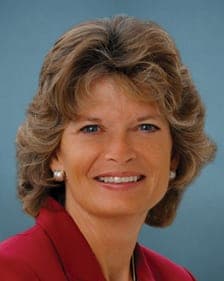
Sen. Murkowski’s record: sponsored 61 bills this Congress. 10 passed the Senate; 0 became law.
- Richard BlumenthalD-CTORIGINAL
- Christopher A. CoonsD-DEORIGINAL
What readers think
Discussion
Get an alert when it changes stage, gets a floor vote in the Senate, or is signed into law.