Make AI Work for Americans Act
Directs new taxes on digital advertising and AI activity into programs for workers, small businesses, service pathways, and AI education.
In the Senate Finance Committee since Sept. 24, 2026, 14 days after it was introduced. Most bills never leave committee.
- INTRODUCEDINTROSEP 24, 2026
- COMMITTEECOMM.IN COMMITTEE
- SENATESENATE—
- HOUSEHOUSE—
- LAWLAW—
What the bill would do, and why it matters
Artificial intelligence can change how businesses operate and what skills workers need. The bill would tax certain digital advertising and AI-related activity, then use the revenue and a repayable advance to support worker, small-business, service, and education programs. It would also set up paid career pathways and address unemployment insurance, workforce training, and AI in the workplace.
- INTRODUCED ONLY This bill has been introduced and possibly referred to a committee, but it has not passed any vote. Most introduced bills never become law — they die in committee without a hearing.
- DATA NOTE No Congressional Research Service summary was available.
- Creates an AI transition fund
The Labor Department would administer a fund for worker training, job transitions, entrepreneurship, national service, responsible AI, and other listed purposes. It would receive revenue from the bill’s new taxes and a $30 billion repayable advance; an advisory council would recommend annual allocations, subject to the bill’s rules and oversight.
- Taxes digital ads and AI activity
The bill would impose a 5% tax on qualifying digital advertising revenue tied to U.S. users, a tax of $1.10 per 1,000,000 units of computing for AI-generated content after a user’s first 1,000,000 units per calendar year, and a 50% tax on certain covered AI companies’ taxable income above 40% of their gross receipts.
- Creates paid service-to-career pathways
A new national program would give states grants to support paid placements in human-facing and community-serving fields, with training and a documented workforce outcome. The program would connect participants, as appropriate, with workforce services, apprenticeships, colleges, and employment pathways.
- Expands worker and small-business programs
Later titles address entrepreneurship and small-business resources, unemployment insurance, worker training, community-college workforce grants, and support for midcareer workers. The bill’s later sections also address AI accessibility, workforce competency, AI education, and AI in the workplace.
The bill states that its fund is meant to expand economic security, quality jobs, and community benefits while addressing harms associated with increased AI adoption, including large-scale job loss from rapid adoption. It would create a way to direct new tax revenue and a repayable advance toward those goals.
The tradeoff is how to raise and distribute that money: the bill would tax certain digital advertising and AI-related activity, then allow allocations across workforce, education, service, research, and other listed programs, subject to oversight and restrictions.
Written from an excerpt of the bill text.
The path it took, step by step
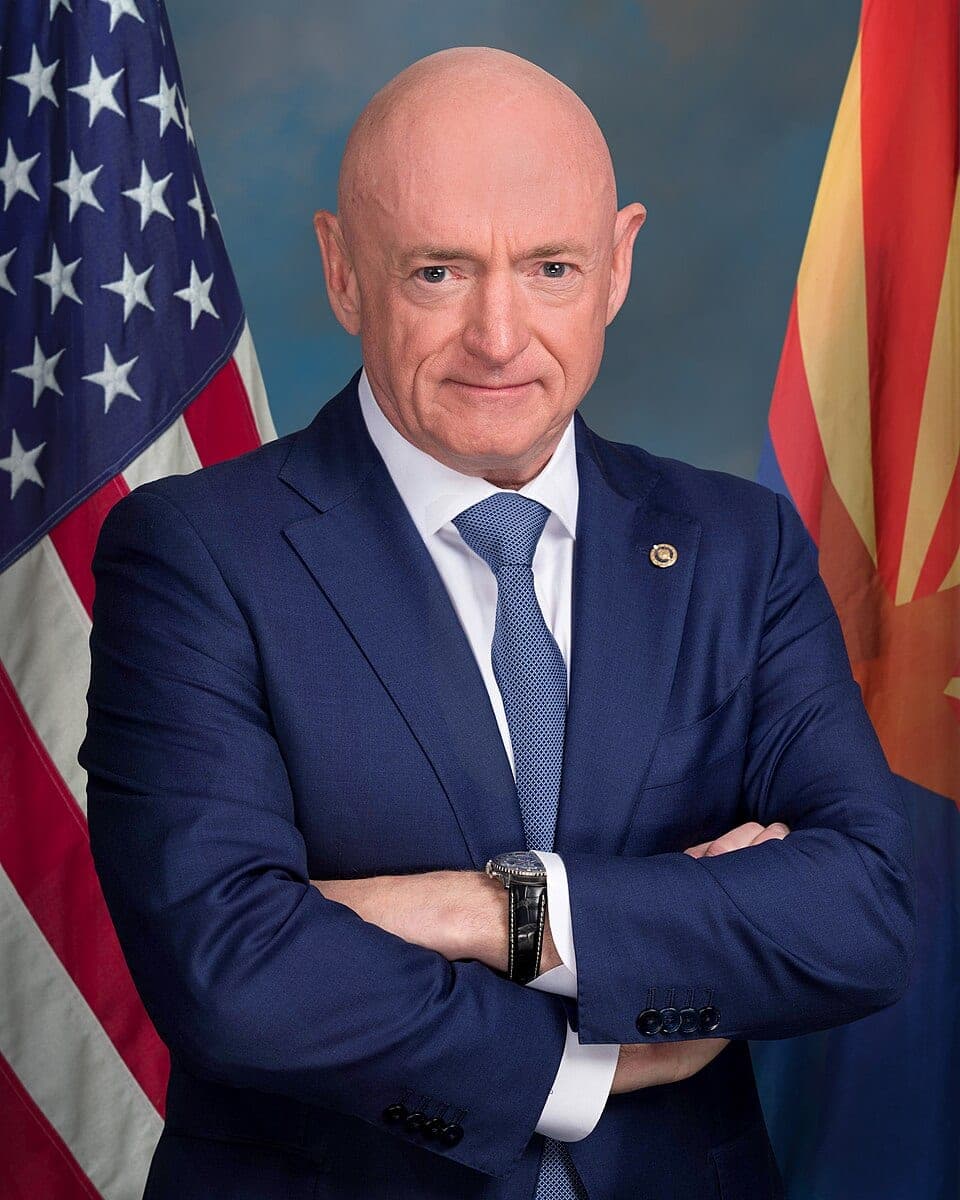
- IntroducedSEP 24, 2026SENATESEP 24, 2026By Sen. KellyReferred to Finance
- SAME DAYNOWSenate committeeSEP 24, 2026FINANCE NOWSEP 24, 2026In committee for 14 daysNo hearing yet
- 14 DAYS SO FARPassed the Senate—SENATE FLOOR—Not scheduled
- House committee—HOUSE—
- Passed the House—HOUSE FLOOR—Not scheduled
- Resolve differencesONLY IF NEEDEDBOTH CHAMBERSONLY IF NEEDEDSkipped if the other chamber passes the same text
- Signed into law—PRESIDENT—10 days to sign or veto
- SEP 242026SEP 24, 2026REFERREDRead twice and referred to the Committee on Finance.
- SEP 242026SEP 24, 2026INTRODUCEDSENATEIntroduced in Senate
At day 14, this bill is already older than 3% of the laws passed this Congress were when they were signed.
Where your members stand on it
Coverage at a glance
Outlets that covered this bill, by their lean.
What readers think
Discussion
Get an alert when it changes stage, gets a floor vote in the Senate, or is signed into law.