National Talent Strategy Act of 2026
Creates a federal working group and recurring plan to coordinate workforce programs and address barriers facing workers and employers.
In the Senate Health, Education, Labor, and Pensions Committee since Sept. 24, 2026, 14 days after it was introduced. Most bills never leave committee.
- INTRODUCEDINTROSEP 24, 2026
- COMMITTEECOMM.IN COMMITTEE
- SENATESENATE—
- HOUSEHOUSE—
- LAWLAW—
What the bill would do, and why it matters
Federal workforce programs help people prepare for jobs and employers find workers with needed skills. The bill would have the Labor Secretary bring federal agencies together to assess these programs and create a recurring plan to improve coordination. The plan would address workforce barriers, program results, and support for workers facing job changes, with periodic evaluations of progress.
- INTRODUCED ONLY This bill has been introduced and possibly referred to a committee, but it has not passed any vote. Most introduced bills never become law — they die in committee without a hearing.
- DATA NOTE No Congressional Research Service summary was available.
- Create a federal talent working group
The Labor Secretary would establish a group of federal agency leaders and officials to coordinate workforce, education, and talent policies. It would meet at least annually, consult with state and local leaders, employers, labor representatives, educators, and Tribal leaders, and hold regional meetings.
- Develop a four-year talent plan
Within one year of enactment, the Labor Secretary and the working group would develop a plan for federal agencies involved in workforce development. The plan would assess programs, participation and outcomes, identify overlaps and barriers, and recommend ways to improve coordination and support workers, including those affected by emerging technologies.
- Update the plan and report progress
The plan would be reviewed and updated at least every two years, and rewritten in full at least every four years. The working group would report to congressional committees within 30 days after each meeting on progress, barriers, measures of success, and any legislative recommendations.
- Evaluate the group's and plan's results
At the end of the plan's first four-year period, the Comptroller General would evaluate the working group's effectiveness and how well federal agencies carried out the plan. The Comptroller General would also evaluate each plan update.
The bill identifies coordination, program overlap, barriers to workforce readiness, and the fit between programs and labor-market needs as issues for the plan to examine. It also calls for attention to industries important to economic competitiveness and national security, and to workers affected by automation and other emerging technologies.
The practical stakes are whether federal workforce programs become better aligned with one another and more responsive to workers, employers, and local needs. The bill would require recurring reviews and evaluations to assess progress, but it does not specify new funding for the effort.
Written from the bill text.
The path it took, step by step
- IntroducedSEP 24, 2026SENATESEP 24, 2026By Sen. Rochester with 1 original cosponsorReferred to Health, Education, Labor, and Pensions
- SAME DAYNOWSenate committeeSEP 24, 2026HEALTH, EDUCATION, LABOR, & PENSIONS NOWSEP 24, 2026In committee for 14 daysNo hearing yet
- 14 DAYS SO FARPassed the Senate—SENATE FLOOR—Not scheduled
- House committee—HOUSE—
- Passed the House—HOUSE FLOOR—Not scheduled
- Resolve differencesONLY IF NEEDEDBOTH CHAMBERSONLY IF NEEDEDSkipped if the other chamber passes the same text
- Signed into law—PRESIDENT—10 days to sign or veto
- SEP 242026SEP 24, 2026REFERREDRead twice and referred to the Committee on Health, Education, Labor, and Pensions.
- SEP 242026SEP 24, 2026INTRODUCEDSENATEIntroduced in Senate
At day 14, this bill is already older than 3% of the laws passed this Congress were when they were signed.
Where your members stand on it
Support from one state
Plus the sponsor, a Democrat. Every cosponsor is from one party.
Plus the sponsor, a Democrat. Every cosponsor is from one party.
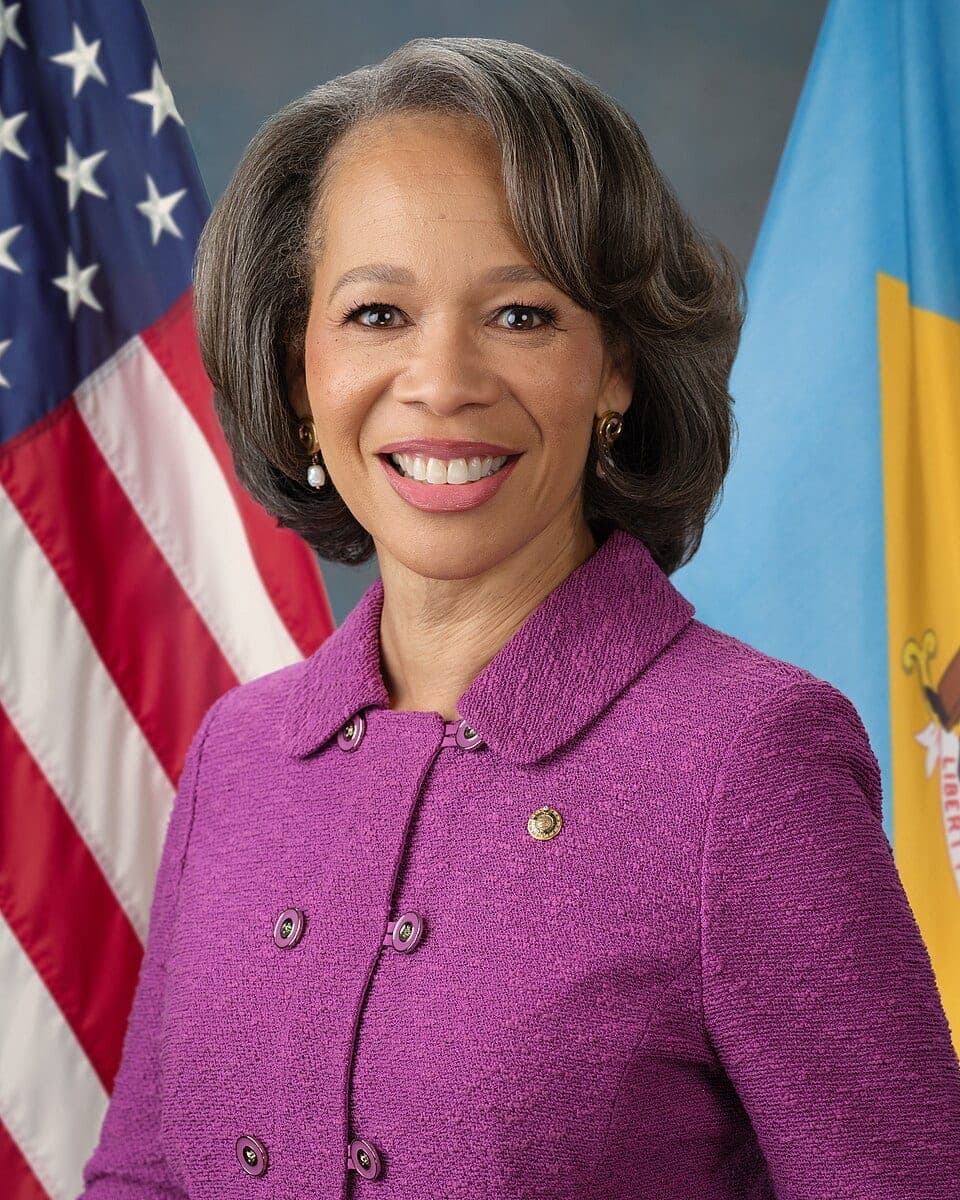
Sen. Blunt Rochester’s record: sponsored 45 bills this Congress. 2 passed the Senate; 0 became law.
- Ted BuddR-NCORIGINAL
What readers think
Discussion
Get an alert when it changes stage, gets a floor vote in the Senate, or is signed into law.