STOP TICKS Act
Renews federal tick-borne disease coordination and increases support for vector-borne disease centers and health departments.
In the Senate Health, Education, Labor, and Pensions Committee since Sept. 24, 2026, 11 days after it was introduced. Most bills never leave committee.
- INTRODUCEDINTROSEP 24, 2026
- COMMITTEECOMM.IN COMMITTEE
- SENATESENATE—
- HOUSEHOUSE—
- LAWLAW—
What the bill would do, and why it matters
Tick-borne disease work involves coordination among public-health and other federal agencies. The bill would renew the federal Working Group, broaden its reach and membership, and increase annual funding authorizations for regional centers and health departments through fiscal year 2030.
- INTRODUCED ONLY This bill has been introduced and possibly referred to a committee, but it has not passed any vote. Most introduced bills never become law — they die in committee without a hearing.
- DATA NOTE No Congressional Research Service summary was available.
- Expand federal tick-disease coordination
The bill would reauthorize the Tick-Borne Disease Working Group and change its focus from efforts within the Department of Health and Human Services to efforts across the Federal Government. It would increase one group of federal representatives from seven to thirteen and another membership category from seven to ten.
- Increase support for regional centers
The bill would authorize $12 million per year for the national strategy and regional centers of excellence in vector-borne diseases for fiscal years 2026 through 2030, replacing the previous authorization of $10 million per year for fiscal years 2021 through 2025.
- Increase help for health departments
The bill would authorize $21 million per year to help health departments address vector-borne diseases for fiscal years 2026 through 2030, replacing the previous authorization of $20 million per year for fiscal years 2021 through 2025.
The previous funding authorizations cited in the bill covered fiscal years 2021 through 2025. The bill would set authorization levels for the following five fiscal years, changing the federal support available under these programs if the authorized amounts are provided.
Written from the bill text.
The path it took, step by step
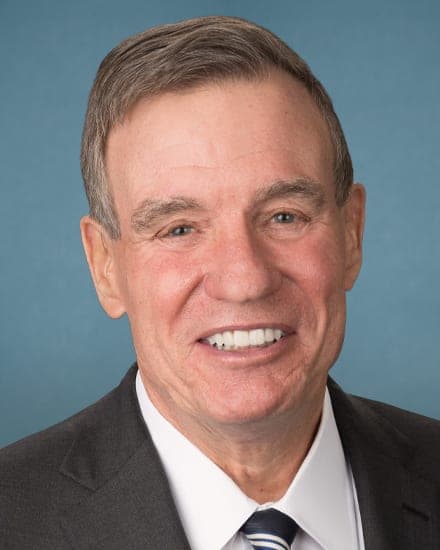
- IntroducedSEP 24, 2026SENATESEP 24, 2026By Sen. WarnerReferred to Health, Education, Labor, and Pensions
- SAME DAYNOWSenate committeeSEP 24, 2026HEALTH, EDUCATION, LABOR, & PENSIONS NOWSEP 24, 2026In committee for 11 daysNo hearing yet
- 11 DAYS SO FARPassed the Senate—SENATE FLOOR—Not scheduled
- House committee—HOUSE—
- Passed the House—HOUSE FLOOR—Not scheduled
- Resolve differencesONLY IF NEEDEDBOTH CHAMBERSONLY IF NEEDEDSkipped if the other chamber passes the same text
- Signed into law—PRESIDENT—10 days to sign or veto
- SEP 242026SEP 24, 2026REFERREDRead twice and referred to the Committee on Health, Education, Labor, and Pensions.
- SEP 242026SEP 24, 2026INTRODUCEDSENATEIntroduced in Senate
At day 11, this bill is already older than 3% of the laws passed this Congress were when they were signed.
Where your members stand on it
Coverage at a glance
Outlets that covered this bill, by their lean; 1 more are not rated.
What readers think
Discussion
Get an alert when it changes stage, gets a floor vote in the Senate, or is signed into law.