Freedom from Intimidation in Elections Act
Prohibits intimidation of federal election workers and creates a firearm-related presumption in certain voting-rights lawsuits.
In the Senate Judiciary Committee since Sept. 23, 2026, 15 days after it was introduced. Most bills never leave committee.
- INTRODUCEDINTROSEP 23, 2026
- COMMITTEECOMM.IN COMMITTEE
- SENATESENATE—
- HOUSEHOUSE—
- LAWLAW—
What the bill would do, and why it matters
Election workers need to be able to perform voting and vote-counting duties without intimidation. The bill would expressly prohibit threats or coercion against people administering federal elections and people targeted because of their election work. It would also presume intimidation in certain lawsuits when someone visibly carries or displays a firearm around voters or election workers, while allowing courts to order temporary limits on firearm carrying.
- INTRODUCED ONLY This bill has been introduced and possibly referred to a committee, but it has not passed any vote. Most introduced bills never become law — they die in committee without a hearing.
- DATA NOTE No Congressional Research Service summary was available.
- Prohibit intimidation of election workers
The bill would make it unlawful to intimidate, threaten, coerce, or attempt to do so to someone carrying out duties to administer federal elections, including counting votes and certifying elections. It would also cover people targeted because they currently or previously took part in election administration.
- Presume intimidation when firearms are visible
In lawsuits enforcing the Voting Rights Act’s voter-intimidation provision, a person would be presumed to have violated it if they visibly carried or displayed a firearm, imitation firearm, or antique firearm while interacting with or observing someone voting, helping a voter, or performing specified election-related duties. The presumption could be overcome by evidence showing otherwise.
- Apply a firearm presumption to worker intimidation
In lawsuits enforcing the bill’s new protection for election administrators, the same presumption would apply when someone visibly carried or displayed a firearm, imitation firearm, or antique firearm while interacting with or observing a person administering elections, or because of that person’s current or former election role.
- Allow courts to limit firearm carrying
Courts could grant appropriate relief in lawsuits over voter or election-worker intimidation, including reasonable temporary limits on defendants carrying firearms. State or local law enforcement officers acting within their official duties would be exempt from the presumption, but courts could still consider their firearm possession; National Guard members would not be exempt.
Election administration depends on people being able to perform duties such as counting and certifying votes without intimidation. The bill would make those protections explicit and give courts a particular evidentiary rule for cases involving visible firearms around voting or election work.
The rule could affect how courts assess intimidation claims and what temporary relief they order, including limits on firearm carrying. It also draws different lines for law enforcement officers and National Guard members.
Written from the bill text.
The path it took, step by step
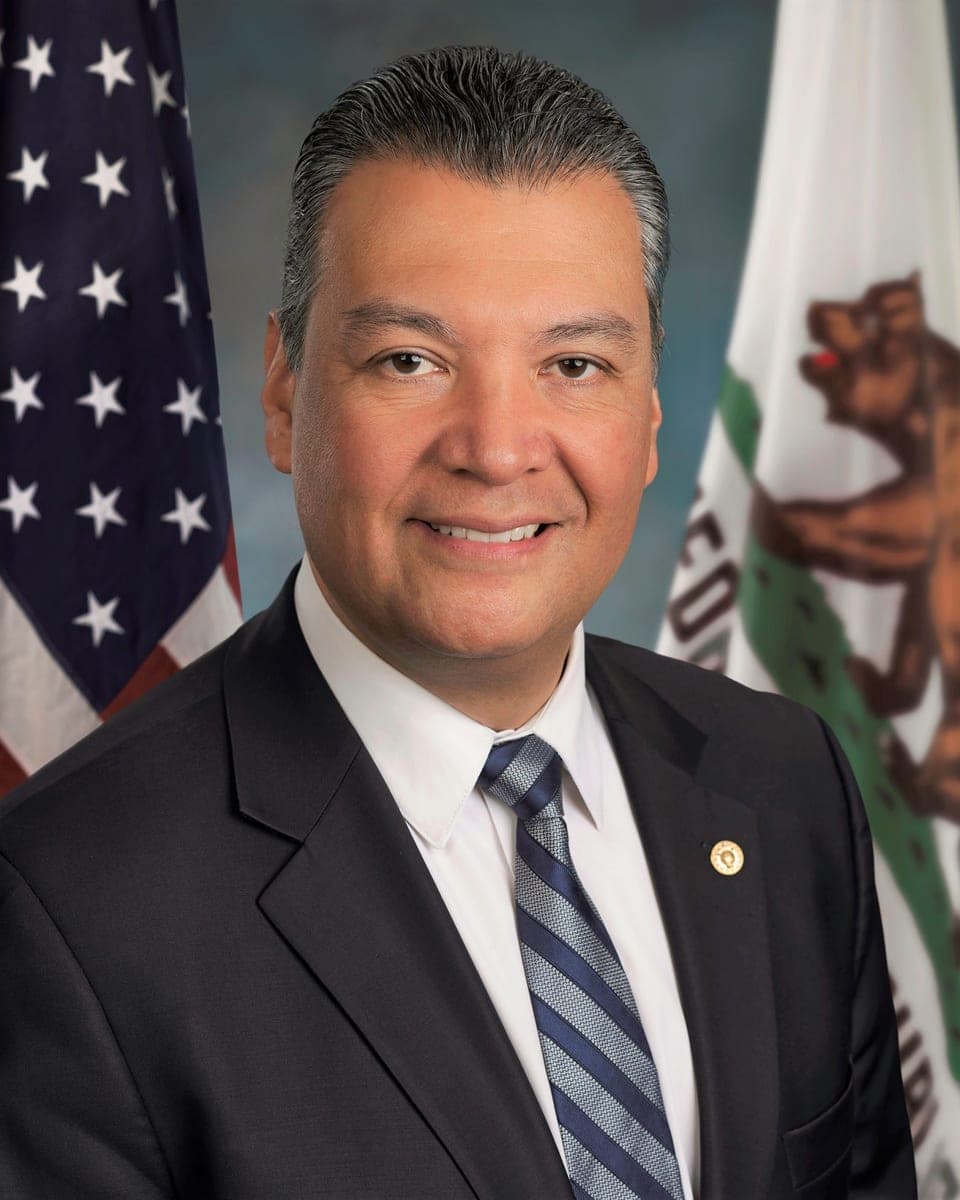
- IntroducedSEP 23, 2026SENATESEP 23, 2026By Sen. Padilla with 7 original cosponsorsReferred to Judiciary
- SAME DAYNOWSenate committeeSEP 23, 2026JUDICIARY NOWSEP 23, 2026In committee for 15 daysNo hearing yet
- 15 DAYS SO FARPassed the Senate—SENATE FLOOR—Not scheduled
- House committee—HOUSE—
- Passed the House—HOUSE FLOOR—Not scheduled
- Resolve differencesONLY IF NEEDEDBOTH CHAMBERSONLY IF NEEDEDSkipped if the other chamber passes the same text
- Signed into law—PRESIDENT—10 days to sign or veto
- SEP 232026SEP 23, 2026REFERREDRead twice and referred to the Committee on the Judiciary.
- SEP 232026SEP 23, 2026INTRODUCEDSENATEIntroduced in Senate
At day 15, this bill is already older than 4% of the laws passed this Congress were when they were signed.
Where your members stand on it
A coalition from 7 states
Plus the sponsor, a Democrat. Every cosponsor is from one party.
Plus the sponsor, a Democrat. Every cosponsor is from one party.
Sen. Padilla’s record: sponsored 114 bills this Congress. 10 passed the Senate; 0 became law.
- Richard BlumenthalD-CTORIGINAL
- Maria CantwellD-WAORIGINAL
- Mazie K. HironoD-HIORIGINAL
- Christopher MurphyD-CTORIGINAL
- Adam B. SchiffD-CAORIGINAL
- Chris Van HollenD-MDORIGINAL
- Sheldon WhitehouseD-RIORIGINAL
- Andy KimD-NJSEP 29, 2026
What readers think
Discussion
Get an alert when it changes stage, gets a floor vote in the Senate, or is signed into law.