Sickle Cell Disease Treatment Centers Act of 2026
Creates grants for networks that coordinate sickle cell disease care and community support.
In the Senate Health, Education, Labor, and Pensions Committee since Sept. 23, 2026, 15 days after it was introduced. Most bills never leave committee.
- INTRODUCEDINTROSEP 23, 2026
- COMMITTEECOMM.IN COMMITTEE
- SENATESENATE—
- HOUSEHOUSE—
- LAWLAW—
What the bill would do, and why it matters
Sickle cell disease can require ongoing care from multiple providers and support beyond medical treatment. The bill would fund networks linking medical centers, local providers, and community nonprofits to coordinate care and support. It would also create a national coordinating center and expand data collection on care and health outcomes.
- INTRODUCED ONLY This bill has been introduced and possibly referred to a committee, but it has not passed any vote. Most introduced bills never become law — they die in committee without a hearing.
- DATA NOTE No Congressional Research Service summary was available.
- Creates treatment-center grants
The Secretary of Health and Human Services would award grants to networks that connect a medical hub, at least one spoke, and a community-based nonprofit. The networks would coordinate care for people with sickle cell disease and other heritable hemoglobin disorders.
- Supports care and community services
Grant funds could support coordinated medical and mental health care, provider education, telehealth, and the transition from pediatric to adult care. Funds could also help patients with insurance costs, transportation, social supports, and access to testing and genetic counseling.
- Sets up national coordination
The Secretary would establish a National Sickle Cell Disease Coordinating Center to support grantees, develop a national care strategy, coordinate research and data efforts, and provide technical assistance and public education.
- Expands data collection and reporting
The CDC would coordinate and maintain data on sickle cell disease, related health outcomes, complications, and treatment. The Secretary would report to Congress on the centers’ activities, the patients served, and patient experiences.
- Guides where grants go
The Secretary would focus grant awards, to the extent practicable, on regions with higher per-capita numbers of affected patients and on nationwide access. The Secretary could give priority to eligible networks serving areas with high prevalence or rural areas, or including a qualifying historically Black college or university or minority-serving institution.
The bill’s stated aims include making care more coordinated throughout patients’ lives, improving the transition from pediatric to adult care, and strengthening public awareness and health data. The practical stakes are whether patients can access connected medical care and related community support through a national grant program.
Written from the bill text.
The path it took, step by step
- IntroducedSEP 23, 2026SENATESEP 23, 2026By Sen. Hollen with 2 original cosponsorsReferred to Health, Education, Labor, and Pensions
- SAME DAYNOWSenate committeeSEP 23, 2026HEALTH, EDUCATION, LABOR, & PENSIONS NOWSEP 23, 2026In committee for 15 daysNo hearing yet
- 15 DAYS SO FARPassed the Senate—SENATE FLOOR—Not scheduled
- House committee—HOUSE—
- Passed the House—HOUSE FLOOR—Not scheduled
- Resolve differencesONLY IF NEEDEDBOTH CHAMBERSONLY IF NEEDEDSkipped if the other chamber passes the same text
- Signed into law—PRESIDENT—10 days to sign or veto
- SEP 232026SEP 23, 2026REFERREDRead twice and referred to the Committee on Health, Education, Labor, and Pensions.
- SEP 232026SEP 23, 2026INTRODUCEDSENATEIntroduced in Senate
At day 15, this bill is already older than 4% of the laws passed this Congress were when they were signed.
Where your members stand on it
A coalition from 2 states
Plus the sponsor, a Democrat. Every cosponsor is from one party.
Plus the sponsor, a Democrat. Every cosponsor is from one party.
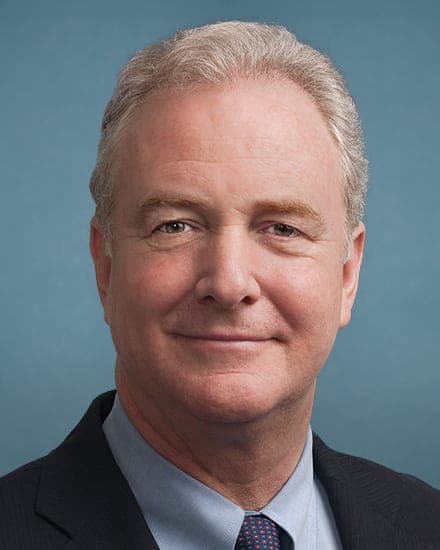
Sen. Van Hollen’s record: sponsored 76 bills this Congress. 1 passed the Senate; 0 became law.
- Cory A. BookerD-NJORIGINAL
- Amy KlobucharD-MNORIGINAL
What readers think
Discussion
Get an alert when it changes stage, gets a floor vote in the Senate, or is signed into law.