GRANITE Act
Bars domestic courts from enforcing certain foreign censorship judgments and lets affected U.S. persons seek a declaration that they are unenforceable.
In the Senate Judiciary Committee since Sept. 23, 2026, 15 days after it was introduced. Most bills never leave committee.
- INTRODUCEDINTROSEP 23, 2026
- COMMITTEECOMM.IN COMMITTEE
- SENATESENATE—
- HOUSEHOUSE—
- LAWLAW—
What the bill would do, and why it matters
The bill addresses whether U.S. courts should give effect to foreign penalties tied to speech. It would bar domestic courts from enforcing certain foreign censorship judgments and demands. People served with those measures could seek a federal court declaration that they are unenforceable.
- INTRODUCED ONLY This bill has been introduced and possibly referred to a committee, but it has not passed any vote. Most introduced bills never become law — they die in committee without a hearing.
- DATA NOTE No Congressional Research Service summary was available.
- Block enforcement of foreign censorship judgments
Domestic courts could not recognize or enforce foreign judgments, fines, orders, or demands that enforce a foreign censorship law. The bill defines such a law as one that restricts or penalizes expression in specified ways and would conflict with First Amendment protections if recognized in the United States.
- Let affected people seek a court declaration
A United States person served with, or purportedly served with, a covered judgment, fine, order, or demand could ask a federal district court to declare it unenforceable.
- Remove foreign-state immunity for these cases
The bill would add an exception to foreign-state immunity for actions brought under the new section, allowing the specified declaratory-relief cases to proceed against a foreign state.
The bill identifies foreign laws that restrict or penalize expression in specified ways and would conflict with First Amendment protections if recognized in the United States. The practical stakes are whether U.S. courts can give effect to penalties tied to those laws and whether people facing them can obtain a court declaration of unenforceability.
Written from the bill text.
The path it took, step by step
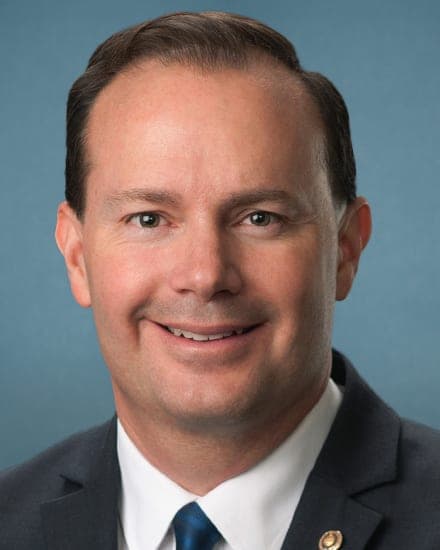
- IntroducedSEP 23, 2026SENATESEP 23, 2026By Sen. LeeReferred to Judiciary
- SAME DAYNOWSenate committeeSEP 23, 2026JUDICIARY NOWSEP 23, 2026In committee for 15 daysNo hearing yet
- 15 DAYS SO FARPassed the Senate—SENATE FLOOR—Not scheduled
- House committee—HOUSE—
- Passed the House—HOUSE FLOOR—Not scheduled
- Resolve differencesONLY IF NEEDEDBOTH CHAMBERSONLY IF NEEDEDSkipped if the other chamber passes the same text
- Signed into law—PRESIDENT—10 days to sign or veto
- SEP 232026SEP 23, 2026REFERREDRead twice and referred to the Committee on the Judiciary.
- SEP 232026SEP 23, 2026INTRODUCEDSENATEIntroduced in Senate
At day 15, this bill is already older than 4% of the laws passed this Congress were when they were signed.
Where your members stand on it
What readers think
Discussion
Get an alert when it changes stage, gets a floor vote in the Senate, or is signed into law.