Homeownership Promise Act
Creates down-payment accounts with federal matching grants for qualifying first-time homebuyers.
In the Senate Banking, Housing, and Urban Affairs Committee since Sept. 23, 2026, 15 days after it was introduced. Most bills never leave committee.
- INTRODUCEDINTROSEP 23, 2026
- COMMITTEECOMM.IN COMMITTEE
- SENATESENATE—
- HOUSEHOUSE—
- LAWLAW—
What the bill would do, and why it matters
A down payment is money a buyer brings toward a home’s purchase price. The bill would create savings accounts for qualifying first-time homebuyers and add federal matching funds to their personal contributions. Buyers would have to meet counseling, home-price, and principal-residence requirements.
- INTRODUCED ONLY This bill has been introduced and possibly referred to a committee, but it has not passed any vote. Most introduced bills never become law — they die in committee without a hearing.
- DATA NOTE No Congressional Research Service summary was available.
- Creates matched homebuying accounts
Eligible families could open accounts at participating community development financial institutions, which would pay interest comparable to their unrestricted savings accounts. The Secretary of Housing and Urban Development would add $5 for every $1 of a family’s personal contributions, up to $50,000 in matching grants; the account balance could not exceed $60,000, excluding interest.
- Limits who and what can qualify
An eligible family would be one or two adults who have never owned a principal residence and have completed HUD-approved housing counseling. The home would have to be the family’s principal residence and cost no more than the area’s median single-family purchase price, with adjustments set by the Secretary.
- Allows withdrawals and shared closings
Families could withdraw their personal contributions for emergencies for any reason, including expenses unrelated to buying a home. At a qualifying home’s closing, no more than two eligible families with accounts could contribute funds from their accounts.
The practical difference would be that eligible buyers could build a down payment with federal matching assistance rather than relying only on their own savings. The program’s reach would depend on the appropriations provided and on participating financial institutions offering the accounts.
Written from the bill text.
The path it took, step by step
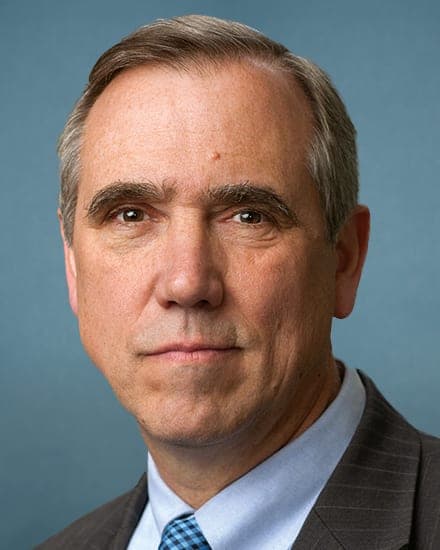
- IntroducedSEP 23, 2026SENATESEP 23, 2026By Sen. Merkley with 1 original cosponsorReferred to Banking, Housing, and Urban Affairs
- SAME DAYNOWSenate committeeSEP 23, 2026BANKING, HOUSING, & URBAN AFFAIRS NOWSEP 23, 2026In committee for 15 daysNo hearing yet
- 15 DAYS SO FARPassed the Senate—SENATE FLOOR—Not scheduled
- House committee—HOUSE—
- Passed the House—HOUSE FLOOR—Not scheduled
- Resolve differencesONLY IF NEEDEDBOTH CHAMBERSONLY IF NEEDEDSkipped if the other chamber passes the same text
- Signed into law—PRESIDENT—10 days to sign or veto
- SEP 232026SEP 23, 2026REFERREDRead twice and referred to the Committee on Banking, Housing, and Urban Affairs.
- SEP 232026SEP 23, 2026INTRODUCEDSENATEIntroduced in Senate
At day 15, this bill is already older than 4% of the laws passed this Congress were when they were signed.
Where your members stand on it
Support from one state
Plus the sponsor, a Democrat. Every cosponsor is from one party.
Plus the sponsor, a Democrat. Every cosponsor is from one party.
Sen. Merkley’s record: sponsored 137 bills this Congress. 7 passed the Senate; 0 became law.
- Ron WydenD-ORORIGINAL
Coverage at a glance
Outlets that covered this bill, by their lean; 2 more are not rated.
What readers think
Discussion
Get an alert when it changes stage, gets a floor vote in the Senate, or is signed into law.