Strategic Fertilizer Reserve Act of 2026
Studies whether to create a federal fertilizer reserve and, if approved, establishes an agency to manage it.
In the Senate Agriculture, Nutrition, and Forestry Committee since Sept. 23, 2026, 12 days after it was introduced. Most bills never leave committee.
- INTRODUCEDINTROSEP 23, 2026
- COMMITTEECOMM.IN COMMITTEE
- SENATESENATE—
- HOUSEHOUSE—
- LAWLAW—
What the bill would do, and why it matters
Farmers rely on fertilizer, and supply disruptions can raise their costs and affect food production. The bill would require a study of whether a federal fertilizer reserve is feasible. If the Agriculture Secretary approves it, a new agency would manage stored fertilizer inputs, with a dedicated fund and oversight rules.
- INTRODUCED ONLY This bill has been introduced and possibly referred to a committee, but it has not passed any vote. Most introduced bills never become law — they die in committee without a hearing.
- DATA NOTE No Congressional Research Service summary was available.
- Study whether a fertilizer reserve is feasible
The Agriculture Secretary would study domestic fertilizer supply and production, import and distribution risks, storage and shelf life, possible reserve size and locations, price stabilization, security, and setup and operating costs. The Secretary would use the study to decide whether to approve an agency, a reserve, and a reserve fund.
- Create a reserve if approved
If the Secretary approves after the study, an independent Strategic Fertilizer Reserve Agency would oversee a reserve storing fertilizer product inputs. The Board could acquire or contract for facilities and services; sites would have to allow stored inputs to be accessed for making fertilizer blends within 14 days after the Board authorizes a withdrawal.
- Set up a fund for reserve costs
If approved, a separate Treasury fund would receive appropriations, proceeds from sales or exchanges of reserve inputs, and other amounts authorized by law. The Board could use the money for inputs, storage facilities, operations, maintenance, and administration.
- Require ethics safeguards and public reporting
The bill would bar covered officials and their immediate family members from holding financial interests in firms with covered reserve contracts. Contractors would certify their compliance and disclose related lobbying, while the Board would publish a list of covered entities and report to Congress on the reserve, withdrawals, facilities, and ethics compliance.
The bill cites unstable fertilizer prices and supply disruptions as pressures on farmers and ranchers, and says higher costs can lead producers to cut inputs or acreage, with possible effects on yields and food prices. It also points to concentrated global markets, import reliance, and shipping chokepoints as risks to U.S. supplies.
The study would assess whether a federal reserve could help manage those risks, along with the costs, storage challenges, and safety and security needs involved. The bill does not specify how much setting up or operating a reserve would cost.
Written from the bill text.
The path it took, step by step
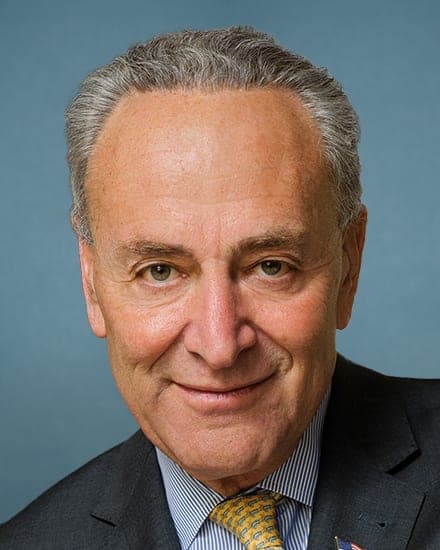
- IntroducedSEP 23, 2026SENATESEP 23, 2026By Sen. Schumer with 1 original cosponsorReferred to Agriculture, Nutrition, and Forestry
- SAME DAYNOWSenate committeeSEP 23, 2026AGRICULTURE, NUTRITION, & FORESTRY NOWSEP 23, 2026In committee for 12 daysNo hearing yet
- 12 DAYS SO FARPassed the Senate—SENATE FLOOR—Not scheduled
- House committee—HOUSE—
- Passed the House—HOUSE FLOOR—Not scheduled
- Resolve differencesONLY IF NEEDEDBOTH CHAMBERSONLY IF NEEDEDSkipped if the other chamber passes the same text
- Signed into law—PRESIDENT—10 days to sign or veto
- SEP 232026SEP 23, 2026REFERREDRead twice and referred to the Committee on Agriculture, Nutrition, and Forestry.
- SEP 232026SEP 23, 2026INTRODUCEDSENATEIntroduced in Senate
At day 12, this bill is already older than 3% of the laws passed this Congress were when they were signed.
Where your members stand on it
Support from one state
Plus the sponsor, a Democrat. Every cosponsor is from one party.
Plus the sponsor, a Democrat. Every cosponsor is from one party.
Sen. Schumer’s record: sponsored 35 bills this Congress. 4 passed the Senate; 0 became law.
- Amy KlobucharD-MNORIGINAL
What readers think
Discussion
Get an alert when it changes stage, gets a floor vote in the Senate, or is signed into law.