Bills · S 5447
IN COMMITTEE· 119TH CONGRESS
Senate BillS 5447
FAIR Fees Act of 2026
The bill directs the Transportation Secretary to set and periodically update standards for judging whether a wide range of airline fees are reasonable and proportional to airlines’ costs.AI-written
INTRO SEP 22· LAST ACTION SEP 22
PASSAGE CHANCESLONG SHOT
1%
READING
4MIN
COSPONSORS
7
READER REACTIONS0 TOTAL
NO VOTES YET · BE THE FIRST
- Introduced only
tl;dr
AI-writtenAirline fees would have to be reasonable compared with airlines’ costs. The bill also puts family seating and several common fees into federal rulemaking.
LEGISLATIVE PROGRESS
STEP 2 / 8Introduced
In Committee
Reported
Passed Senate
Passed House
Conference
To President
Became Law
WHAT THE BILL DOES
AI-writtenThe bill could change what airlines charge passengers for common flight-related services. How much it changes fees would depend on the standards the Transportation Secretary writes and how those standards assess airlines’ costs.
KEY PROVISIONS
5AI-extractedPROVISION 01
Within 270 days after enactment, the Transportation Secretary must issue rules prohibiting covered fees that are unreasonable or disproportionate to airlines’ costs.
This creates a federal rule against fees judged excessive in relation to the costs airlines incur.
PROVISION 02
The rules must set standards for judging whether fees are reasonable and proportional to costs.
Those standards will guide which fees airlines may charge and at what levels.
PROVISION 03
The standards must cover reservation changes and cancellations, baggage, seat selection, priority boarding, and other fees related to passenger flights.
The bill’s scope reaches several common airline fees, as well as other flight-related fees.
PROVISION 04
When setting standards for reservation changes and cancellations, the Secretary must consider factors such as costs, whether a seat can be resold, and possible fare differences.
The standards would account for potential costs and benefits to the airline, not just the fee amount.
PROVISION 05
For seat-related fees, the Secretary must consider ensuring passengers traveling with children age 13 or younger can sit with them without an additional charge to those passengers or anyone else on the flight. The standards must be updated at least every three years.
This puts family seating into the rulemaking process and requires the standards to be revisited regularly.
SPONSORSHIP
1 + 7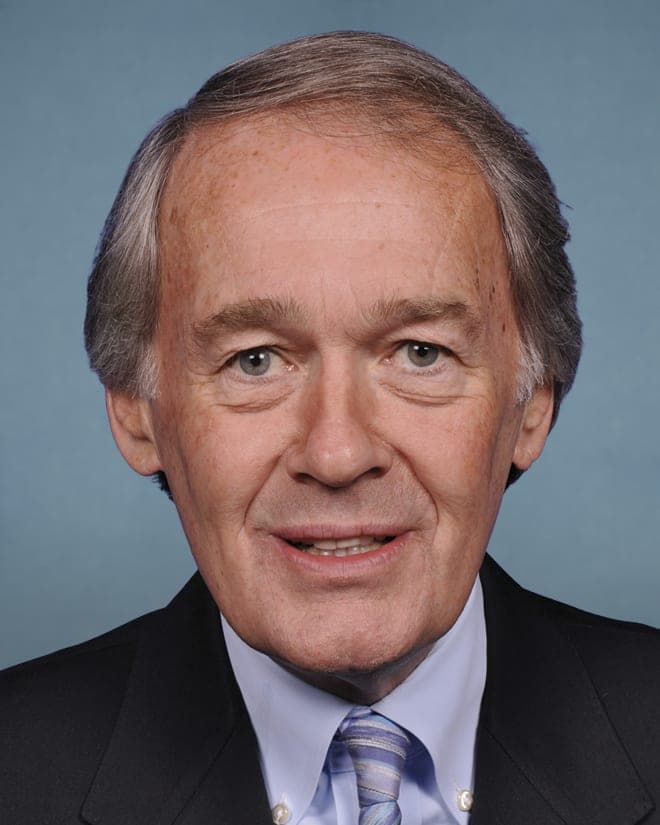
D· Massachusetts
YRS IN OFFICE
51
BILLS LED
164
COSPONSOR BREAKDOWNBIPARTISAN · 0%
DEM 6 REP 0 IND 1
ACTION TIMELINE
2 EVENTSSEP 22
Read twice and referred to the Committee on Commerce, Science, and Transportation.
SEP 22
Introduced in Senate
BILL INFO
TypeSenate Bill
NumberS 5447
Congress119th
StatusIn Committee
IntroducedSep 22, 2026
Last actionSep 22, 2026
READER REACTIONS
OVERALL SENTIMENT
No reactions yet. Be the first to weigh in.
Discussion
Loading comments...
IN COMMITTEE· 119TH CONGRESS · COMMERCE, SCIENCE, AND TRANSPORTATION COMMITTEE · INTRODUCED SEP 22, 2026
Senate BillS 5447
FAIR Fees Act of 2026
The bill directs the Transportation Secretary to set and periodically update standards for judging whether a wide range of airline fees are reasonable and proportional to airlines’ costs.AI-written
INTRODUCED SEP 22, 2026· LAST ACTION SEP 22, 2026
PASSAGE CHANCES
1%
READING
4 min
COSPONSORS
7
COMPLEXITY
Moderate