American Renewable Energy Act of 2026
Creates a rising federal renewable electricity standard for large suppliers and reserves part of the requirement for small-scale and impacted-community projects.
In the Senate Energy and Natural Resources Committee since Sept. 17, 2026, 21 days after it was introduced. Most bills never leave committee.
- INTRODUCEDINTROSEP 17, 2026
- COMMITTEECOMM.IN COMMITTEE
- SENATESENATE—
- HOUSEHOUSE—
- LAWLAW—
What the bill would do, and why it matters
A renewable electricity standard sets how much of a supplier’s electricity must come from eligible renewable sources. The bill would create a federal standard for large retail electricity suppliers, with targets that rise over time and credit requirements for small-scale generation and impacted communities. Suppliers could meet the standard with credits or alternative payments, and states would have to use those payments for specified energy purposes.
- INTRODUCED ONLY This bill has been introduced and possibly referred to a committee, but it has not passed any vote. Most introduced bills never become law — they die in committee without a hearing.
- DATA NOTE No Congressional Research Service summary was available.
- Set a rising renewable electricity standard
The bill would require retail electricity suppliers that sold at least 1,000,000 megawatt hours in the previous year to submit credits covering a growing share of their electricity sales. The required share would rise from 20% in 2027 to 70% in 2036; for 2037 through 2046, it would generally increase by 3 percentage points each year, subject to adjustments for feasibility.
- Reserve credits for local and small-scale power
For 2027 through 2030, at least 15% of each supplier’s required credits would have to come from distributed generation and at least 15% from generation in impacted communities. For 2031 through 2036, each minimum would rise to 20%; a project in an impacted community could count toward both requirements.
- Create renewable electricity credits and payment options
The Federal Energy Regulatory Commission would issue and track credits, generally one for each megawatt hour of eligible renewable electricity, and suppliers could trade or bank them for up to two compliance years. Suppliers could instead pay $50 per missing credit, adjusted for inflation; states would have to use those payments for renewable power, energy storage, or energy efficiency, with at least 50% benefiting impacted communities.
- Require rules and enforce compliance
The Commission would set rules for credit markets, including at least 6 regional markets, and could impose civil penalties for failing to meet requirements. The rules would address emissions, community benefits, and coordination with state and tribal programs.
- Clarify state renewable-energy rate authority
The bill would clarify that states may set the rates utilities pay for renewable electricity under a state-approved program that a generating facility voluntarily joins.
The bill’s findings say a federal standard could promote competition among renewable generators and provide more clean electricity at lower prices. They also cite the potential for renewable power to reduce greenhouse gases and other air pollution, which the bill says has disproportionately burdened underserved communities and communities of color.
The practical stakes include how quickly suppliers shift toward eligible renewable electricity, where new projects are built, and how much suppliers pay if they use the alternative-payment option instead of credits.
Written from the bill text.
The path it took, step by step
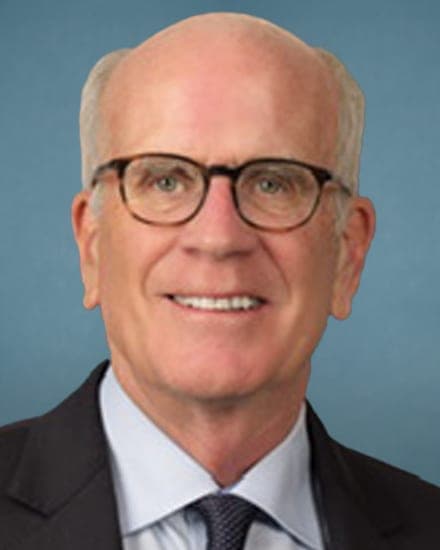
- IntroducedSEP 17, 2026SENATESEP 17, 2026By Sen. Welch with 1 original cosponsorReferred to Energy and Natural Resources
- SAME DAYNOWSenate committeeSEP 17, 2026ENERGY & NATURAL RESOURCES NOWSEP 17, 2026In committee for 21 daysNo hearing yet
- 21 DAYS SO FARPassed the Senate—SENATE FLOOR—Not scheduled
- House committee—HOUSE—
- Passed the House—HOUSE FLOOR—Not scheduled
- Resolve differencesONLY IF NEEDEDBOTH CHAMBERSONLY IF NEEDEDSkipped if the other chamber passes the same text
- Signed into law—PRESIDENT—10 days to sign or veto
- SEP 172026SEP 17, 2026REFERREDRead twice and referred to the Committee on Energy and Natural Resources.
- SEP 172026SEP 17, 2026INTRODUCEDSENATEIntroduced in Senate
At day 21, this bill is already older than 6% of the laws passed this Congress were when they were signed.
In committee · Energy and Commerce · No cosponsors · introduced by Yvette D. Clarke.
H.R. 10489 is the same bill introduced in the House. Companion bills let both chambers work on one idea at once; when one passes, the other chamber often takes up the version that already passed.
OPEN H.R. 10489 →Where your members stand on it
Support from one state
Plus the sponsor, a Democrat. Every cosponsor is from one party.
Plus the sponsor, a Democrat. Every cosponsor is from one party.
Sen. Welch’s record: sponsored 85 bills this Congress. 8 passed the Senate; 0 became law.
- Chris Van HollenD-MDORIGINAL
What readers think
Discussion
Get an alert when it changes stage, gets a floor vote in the Senate, or is signed into law.