Stop Corporate Takeovers of Physicians Act of 2026
Limits corporate ownership and management of medical practices and protects clinicians’ workplace rights and medical decisions.
In the Senate Commerce, Science, and Transportation Committee since Sept. 16, 2026, 22 days after it was introduced. Most bills never leave committee.
- INTRODUCEDINTROSEP 16, 2026
- COMMITTEECOMM.IN COMMITTEE
- SENATESENATE—
- HOUSEHOUSE—
- LAWLAW—
What the bill would do, and why it matters
Medical practices can involve both clinicians and businesses that provide management services. The bill would limit who can own a practice, restrict management companies’ control over practice operations, and protect clinicians’ workplace rights and medical decisions. It would also create federal enforcement and legal remedies for violations.
- INTRODUCED ONLY This bill has been introduced and possibly referred to a committee, but it has not passed any vote. Most introduced bills never become law — they die in committee without a hearing.
- DATA NOTE No Congressional Research Service summary was available.
- Limits corporate ownership of practices
Most corporate entities could not own or control a medical practice, employ or contract with clinicians, or practice medicine unless licensed clinicians hold a majority of both ownership and governing-body seats. The restriction would not apply to nonprofit or public health care providers, hospitals and specified hospital-affiliated or rural facilities.
- Protects clinicians’ workplace and care decisions
The bill would generally void noncompete, nondisclosure, and nondisparagement agreements involving clinicians, providers, or management services organizations. A practice could enforce a clinician’s noncompete only if that clinician owns at least 25 percent of the practice, and providers could not interfere with clinicians’ professional judgment or clinical decisions.
- Restricts management company control
Management services organizations could not take ownership roles or control specified business and clinical decisions at a medical practice, including staffing, clinician schedules, pricing, billing policies, and contracts with payors. Their service contracts with practices would have to be negotiated independently and compensation would have to reflect fair market value as determined by the Federal Trade Commission.
- Creates enforcement and legal remedies
The Federal Trade Commission would enforce the requirements and issue needed rules. Injured people and state attorneys general could sue; remedies could include treble damages, and a court finding a violation would require the violator to stop and, when applicable, divest an entity and give up revenue received from it during the violation.
- Preserves stronger state protections
The bill would not override state laws that impose equal or stricter limits on practice ownership or management organizations, or provide clinicians equal or greater protections. Entities violating the bill’s requirements could also be subject to exclusion from federal health programs.
The bill’s stated purpose is to protect physicians and other licensed health professionals and to set requirements for medical practices and management services organizations. In practical terms, it would draw federal boundaries between business management and decisions about patient care, while exposing violations to federal enforcement and lawsuits.
Written from the bill text.
The path it took, step by step
- IntroducedSEP 16, 2026SENATESEP 16, 2026By Sen. Warren with 2 original cosponsorsReferred to Commerce, Science, and Transportation
- SAME DAYNOWSenate committeeSEP 16, 2026COMMERCE, SCIENCE, & TRANSPORTATION NOWSEP 16, 2026In committee for 22 daysNo hearing yet
- 22 DAYS SO FARPassed the Senate—SENATE FLOOR—Not scheduled
- House committee—HOUSE—
- Passed the House—HOUSE FLOOR—Not scheduled
- Resolve differencesONLY IF NEEDEDBOTH CHAMBERSONLY IF NEEDEDSkipped if the other chamber passes the same text
- Signed into law—PRESIDENT—10 days to sign or veto
- SEP 162026SEP 16, 2026REFERREDRead twice and referred to the Committee on Commerce, Science, and Transportation.
- SEP 162026SEP 16, 2026INTRODUCEDSENATEIntroduced in Senate
At day 22, this bill is already older than 7% of the laws passed this Congress were when they were signed.
In committee · Ways and Means and Energy and Commerce · 15 cosponsors · introduced by Val T. Hoyle.
H.R. 10444 is the same bill introduced in the House. Companion bills let both chambers work on one idea at once; when one passes, the other chamber often takes up the version that already passed.
OPEN H.R. 10444 →Where your members stand on it
Support from one state
Plus the sponsor, a Democrat. Every cosponsor is from one party.
Plus the sponsor, a Democrat. Every cosponsor is from one party.
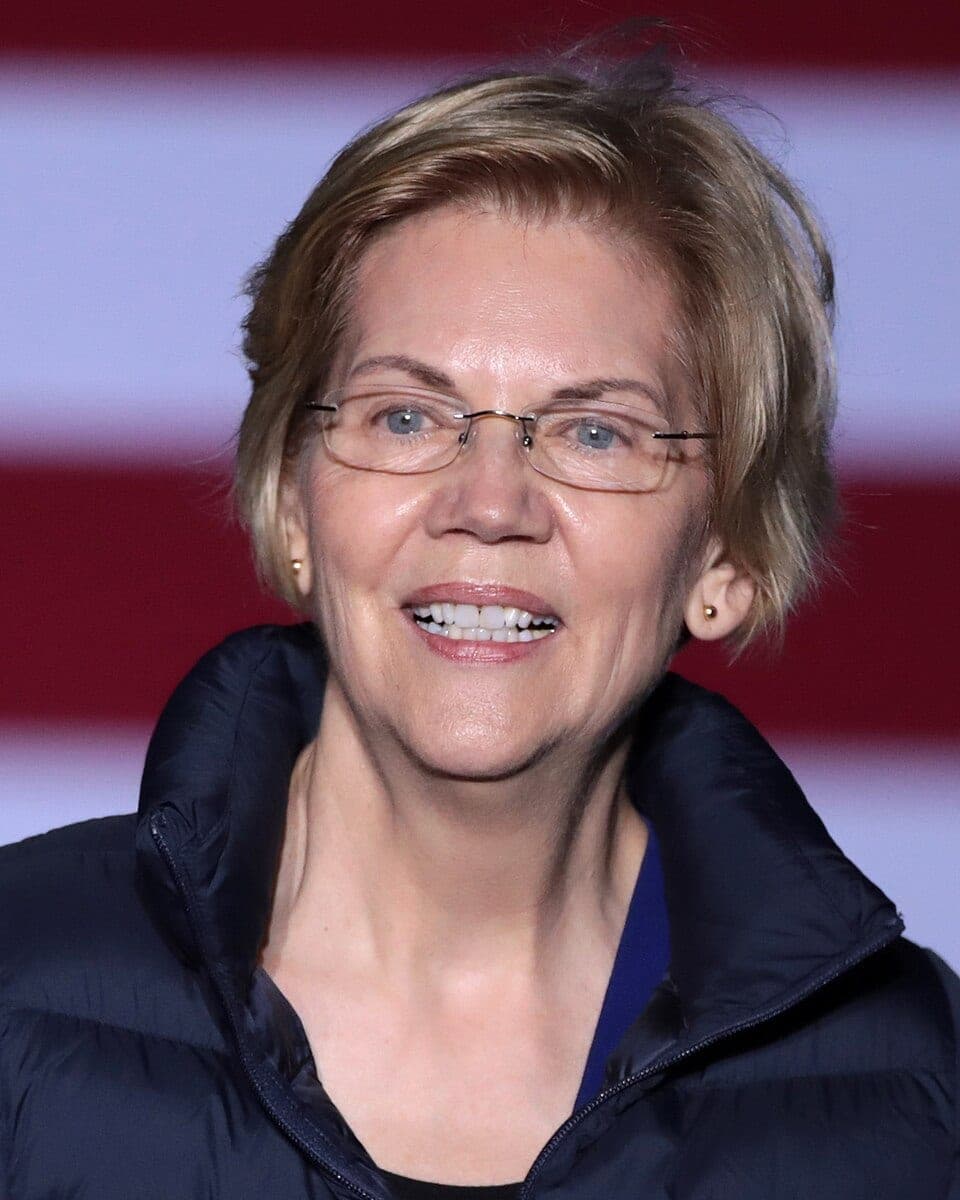
Sen. Warren’s record: sponsored 88 bills this Congress. 2 passed the Senate; 0 became law.
- Jeff MerkleyD-ORORIGINAL
- Ron WydenD-ORORIGINAL
Coverage at a glance
Outlets that covered this bill, by their lean.
What readers think
Discussion
Get an alert when it changes stage, gets a floor vote in the Senate, or is signed into law.