Stop Child Labor Act
Raises penalties for child-labor violations and creates employer-prevention grants and a federal advisory committee.
In the Senate Health, Education, Labor, and Pensions Committee since Sept. 16, 2026, 20 days after it was introduced. Most bills never leave committee.
- INTRODUCEDINTROSEP 16, 2026
- COMMITTEECOMM.IN COMMITTEE
- SENATESENATE—
- HOUSEHOUSE—
- LAWLAW—
What the bill would do, and why it matters
Federal law sets rules for when children may work and how violations are enforced. The bill would raise civil penalties, add criminal penalties for repeated or willful violations, and allow affected employees to seek damages. It would also authorize employer-prevention grants and create a federal advisory committee on child labor.
- INTRODUCED ONLY This bill has been introduced and possibly referred to a committee, but it has not passed any vote. Most introduced bills never become law — they die in committee without a hearing.
- DATA NOTE No Congressional Research Service summary was available.
- Raises civil and criminal penalties
The bill would set civil penalties at $5,000 to $132,270 for one category of child-labor violations and $25,000 to $601,150 for another, with the amounts rising annually with inflation starting in fiscal year 2027. A person who repeatedly or willfully violates the child-labor rule could face a fine of up to $50,000, up to one year in prison, or both.
- Adds damages in employee lawsuits
An employer that violates child-labor rules would be liable to affected employees for compensatory and punitive damages capped at $250,000 per employee. An employee’s right to bring or join a private case would end if the Labor Secretary files a case seeking relief over the alleged violations.
- Authorizes prevention grants
The Labor Secretary could award grants for education, training, and systems to help employers recognize and prevent child-labor violations. Eligible recipients would include certain nonprofits, trade or employer associations, labor-management partnerships, and labor organizations.
- Creates a child labor advisory committee
A 12-member committee would advise the Labor and Health and Human Services secretaries on preventing, recognizing, and enforcing child-labor violations. The bill would authorize $3 million for the committee in fiscal year 2027.
The bill addresses both enforcement of child-labor rules and help for employers to avoid violations. The practical stakes include the penalties employers could face and whether affected employees pursue claims privately or through a case filed by the Labor Secretary.
The bill also provides for prevention grants and an advisory committee, while authorizing $3 million for the committee in fiscal year 2027.
Written from the bill text.
The path it took, step by step
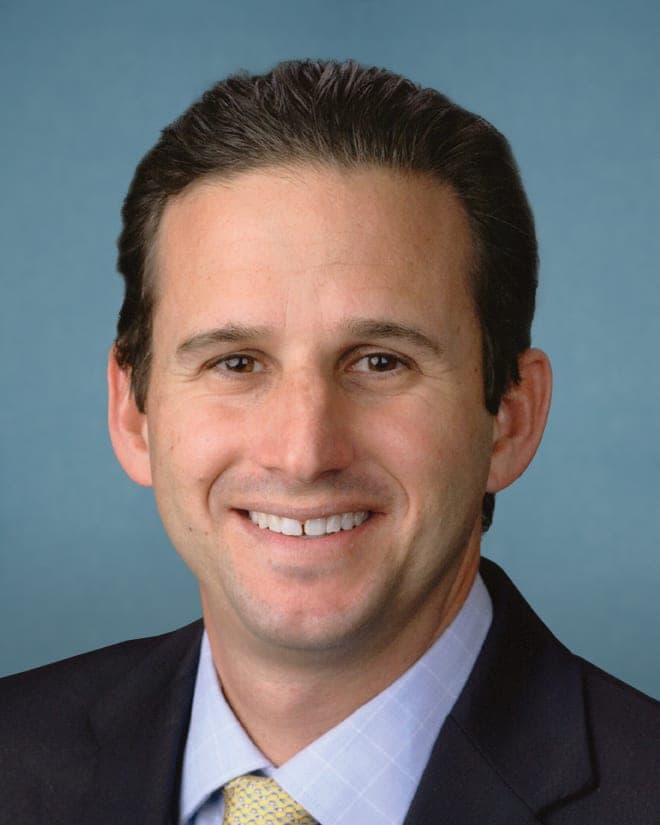
- IntroducedSEP 16, 2026SENATESEP 16, 2026By Sen. Schatz with 1 original cosponsorReferred to Health, Education, Labor, and Pensions
- SAME DAYNOWSenate committeeSEP 16, 2026HEALTH, EDUCATION, LABOR, & PENSIONS NOWSEP 16, 2026In committee for 20 daysNo hearing yet
- 20 DAYS SO FARPassed the Senate—SENATE FLOOR—Not scheduled
- House committee—HOUSE—
- Passed the House—HOUSE FLOOR—Not scheduled
- Resolve differencesONLY IF NEEDEDBOTH CHAMBERSONLY IF NEEDEDSkipped if the other chamber passes the same text
- Signed into law—PRESIDENT—10 days to sign or veto
- SEP 162026SEP 16, 2026REFERREDRead twice and referred to the Committee on Health, Education, Labor, and Pensions.
- SEP 162026SEP 16, 2026INTRODUCEDSENATEIntroduced in Senate
At day 20, this bill is already older than 6% of the laws passed this Congress were when they were signed.
Where your members stand on it
Support from one state
Plus the sponsor, a Democrat. Every cosponsor is from one party.
Plus the sponsor, a Democrat. Every cosponsor is from one party.
Sen. Schatz’s record: sponsored 67 bills this Congress. 5 passed the Senate; 0 became law.
- Todd YoungR-INORIGINAL
Coverage at a glance
Outlets that covered this bill, by their lean.
What readers think
Discussion
Get an alert when it changes stage, gets a floor vote in the Senate, or is signed into law.