Robert C. Byrd Mine Safety Protection Act of 2026
Strengthens mine investigations, enforcement, safety standards, and protections for miners who raise concerns.
In the Senate Health, Education, Labor, and Pensions Committee since Sept. 14, 2026, 24 days after it was introduced. Most bills never leave committee.
- INTRODUCEDINTROSEP 14, 2026
- COMMITTEECOMM.IN COMMITTEE
- SENATESENATE—
- HOUSEHOUSE—
- LAWLAW—
What the bill would do, and why it matters
Mine safety rules govern how operators protect workers and how officials respond to hazards. The measure would expand accident investigations and enforcement, strengthen protections for miners who raise concerns, and change rules for penalties, mine closures, and safety standards. It also covers training, grants, monitoring, certification, records, and state assistance.
- INTRODUCED ONLY This bill has been introduced and possibly referred to a committee, but it has not passed any vote. Most introduced bills never become law — they die in committee without a hearing.
- DATA NOTE No Congressional Research Service summary was available.
- Creates independent accident investigations
The bill would add an independent investigation for accidents involving 3 or more deaths and other accidents that the Secretary of Health and Human Services considers severe enough. The panel would examine causes, publish findings and recommendations, and have subpoena authority; miners’ representatives could take part in accident investigations.
- Strengthens mine safety enforcement
The bill would expand enforcement to cover violations of the law and regulations, allow orders to stop conduct the Secretary judges to be a continuing hazard, and permit approval of unsafe or inaccurately based mine plans to be revoked. It would increase penalties for specified violations, double penalties for mines in pattern-of-violations status, and increase criminal liability for operators and certain responsible officials.
- Expands miners’ protections
The bill would broaden protection against retaliation for reporting safety concerns, participating in proceedings, or refusing unsafe work. It would also give hourly miners at underground coal mines in pattern-of-violations status added protection from discharge for 3 years after notice, after a probationary period of no more than 6 months.
- Protects pay during mine closures
The bill would require operators to compensate miners idled by certain safety-related closure orders, including for up to 60 days in specified circumstances. It would also allow miners or their representatives to seek compensation through the Federal Mine Safety and Health Review Commission.
- Raises rock-dust safety requirements
The bill would set an 80 percent incombustible-content requirement for rock dust, with a higher percentage when methane is present. It would require approved direct-reading monitors and interim rules for sampling; monitor measurements could not be used to establish an enforcement violation until a final rule is issued.
- Covers training, grants, and records
Other provisions address atmospheric monitoring, miners’ rights training, additional training, Brookwood-Sago mine safety grants, personnel certification, electronic records, state assistance, and NIOSH cooperative agreements.
The bill’s stated purpose is to improve compliance with mine safety and health laws, help miners raise safety concerns, and prevent future mine tragedies. It would change how serious accidents are investigated and how safety violations and worker retaliation can be addressed.
Written from an excerpt of the bill text.
The path it took, step by step
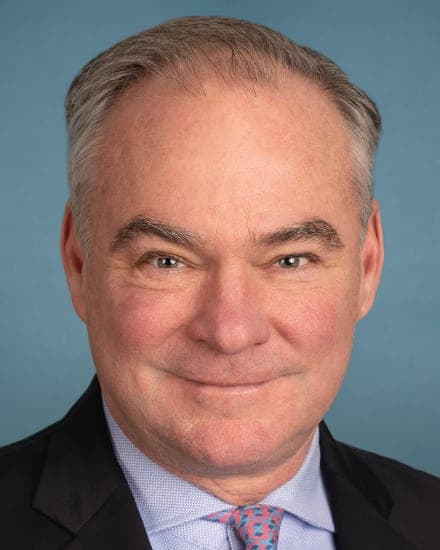
- IntroducedSEP 14, 2026SENATESEP 14, 2026By Sen. KaineReferred to Health, Education, Labor, and Pensions
- SAME DAYNOWSenate committeeSEP 14, 2026HEALTH, EDUCATION, LABOR, & PENSIONS NOWSEP 14, 2026In committee for 24 daysNo hearing yet
- 24 DAYS SO FARPassed the Senate—SENATE FLOOR—Not scheduled
- House committee—HOUSE—
- Passed the House—HOUSE FLOOR—Not scheduled
- Resolve differencesONLY IF NEEDEDBOTH CHAMBERSONLY IF NEEDEDSkipped if the other chamber passes the same text
- Signed into law—PRESIDENT—10 days to sign or veto
- SEP 142026SEP 14, 2026REFERREDRead twice and referred to the Committee on Health, Education, Labor, and Pensions.
- SEP 142026SEP 14, 2026INTRODUCEDSENATEIntroduced in Senate
At day 24, this bill is already older than 8% of the laws passed this Congress were when they were signed.
Where your members stand on it
What readers think
Discussion
Get an alert when it changes stage, gets a floor vote in the Senate, or is signed into law.