Bills · S 4260
IN COMMITTEE· 119TH CONGRESS
Senate BillS 4260Crime and Law Enforcement
Child Predators Accountability Act
This bill updates federal laws to ensure people who create or import sexually explicit digital images of children using technology like AI can be prosecuted just like those who use real children.AI-written
INTRO MAR 26· LAST ACTION MAR 26
READING
2MIN
COSPONSORS
3BIPARTISAN
READER REACTIONS0 TOTAL
NO VOTES YET · BE THE FIRST
- Introduced only
tl;dr
AI-writtenCloses the 'deepfake loophole' by expanding federal law to criminalize the intentional digital depiction of children in sexually explicit material, even if no child was physically present during the creation.
LEGISLATIVE PROGRESS
STEP 2 / 8Introduced
In Committee
Reported
Passed Senate
Passed House
Conference
To President
Became Law
WHAT THE BILL DOES
AI-writtenTechnology has evolved faster than our laws, creating a loophole where people can create realistic, sexually explicit images of children using AI without a child ever being physically present in a studio. Under current law, defense attorneys could argue that no crime was committed because no physical child was "coerced to engage" in the act. This bill shuts that loophole, ensuring the law recognizes the harm done when a child's identity is used in explicit material.
If this bill becomes law, it provides a vital tool for stopping the spread of deepfake child abuse material. Without it, the legal system may struggle to keep up with the surge of AI-generated content, leaving children's digital identities unprotected from predators who use technology to bypass traditional exploitation laws.
KEY PROVISIONS
3AI-extractedPROVISION 01
Expands the definition of sexual exploitation to include being "depicted" in explicit conduct.
It ensures that the law covers digital representations of children, not just their physical presence.
PROVISION 02
Updates importation laws to cover the bringing of sexual depictions of minors into the U.S.
It prevents individuals from importing AI-generated or manipulated content created abroad to bypass domestic production laws.
PROVISION 03
Adds a specific legal definition for "engage in" that includes intentional digital depictions.
This removes legal ambiguity by clarifying that physical participation is not required for a conviction if the child's likeness was used intentionally.
SPONSORSHIP
1 + 3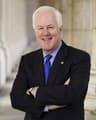
R· Texas
YRS IN OFFICE
23
BILLS LED
137
COSPONSOR BREAKDOWNBIPARTISAN · 66%
DEM 1 REP 2 IND 0
ACTION TIMELINE
2 EVENTSMAR 26
Introduced in Senate
MAR 26
Read twice and referred to the Committee on the Judiciary.
BILL INFO
TypeSenate Bill
NumberS 4260
Congress119th
StatusIn Committee
IntroducedMar 26, 2026
Last actionMar 26, 2026
READER REACTIONS
OVERALL SENTIMENT
No reactions yet. Be the first to weigh in.
Discussion
Loading comments...
IN COMMITTEE· 119TH CONGRESS · JUDICIARY COMMITTEE · INTRODUCED MAR 26, 2026
Senate BillS 4260Crime and Law Enforcement
Child Predators Accountability Act
This bill updates federal laws to ensure people who create or import sexually explicit digital images of children using technology like AI can be prosecuted just like those who use real children.AI-written
INTRODUCED MAR 26, 2026· LAST ACTION MAR 26, 2026
PASSAGE CHANCES
—%
READING
2 min
COSPONSORS
3
COMPLEXITY
Simple