Bills · S 4053
IN COMMITTEE· 119TH CONGRESS
Senate BillS 4053Native Americans
A bill to take certain land in the State of California into trust for the benefit of the Pechanga Band of Indians, and for other purposes.
INTRO MAR 11· LAST ACTION MAR 11
READING
3MIN
COSPONSORS
1
READER REACTIONS0 TOTAL
NO VOTES YET · BE THE FIRST
- Introduced only
LEGISLATIVE PROGRESS
STEP 2 / 8Introduced
In Committee
Reported
Passed Senate
Passed House
Conference
To President
Became Law
WHAT THE BILL DOES
AI-writtenThis bill matters because it represents a significant step in tribal land consolidation and sovereignty for the Pechanga Band of Indians. Placing land into trust is a crucial mechanism for tribes to regain ancestral lands, protect cultural resources, and exercise self-governance over their territories. For the Pechanga, it ensures the preservation of this specific land as open space, safeguarding its archaeological, cultural, and wildlife value under their stewardship, which can be vital for their heritage and environmental goals.
If this bill becomes law, the designated 860 acres will be permanently secured under tribal ownership, preventing future development inconsistent with its open-space character and allowing the Pechanga Band to directly manage and protect these important resources. If it doesn't pass, the land would remain under Bureau of Land Management control, potentially subject to different management priorities or future uses that might not align with the Tribe's cultural and environmental preservation goals.
KEY PROVISIONS
5AI-extractedPROVISION 01
Transfers approximately 860 acres of land in Riverside County, California, into trust for the Pechanga Band of Indians.
This formalizes tribal ownership and management of the land, bringing it under the jurisdiction of the Pechanga reservation.
PROVISION 02
Requires the transferred land to be maintained as open space.
This ensures environmental and scenic preservation, limiting development and protecting natural habitats and vistas.
PROVISION 03
Specifies that the land can only be used for purposes consistent with open space, including the protection of archaeological, cultural, and wildlife resources.
This provides a clear framework for how the land can be utilized, focusing on conservation and cultural preservation.
PROVISION 04
Prohibits the use of the land for Class II or Class III gaming activities (casinos).
This prevents the development of gaming facilities on this specific parcel, which can impact local economies and community character.
PROVISION 05
States that existing rights such as easements and water service agreements are not altered by the transfer.
This protects the rights of other parties who may have legal claims or services tied to the land, ensuring continuity.
SPONSORSHIP
1 + 1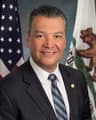
D· California
YRS IN OFFICE
3
BILLS LED
111
COSPONSOR BREAKDOWNBIPARTISAN · 0%
DEM 1 REP 0 IND 0
ACTION TIMELINE
2 EVENTSMAR 11
Introduced in Senate
MAR 11
Read twice and referred to the Committee on Indian Affairs. (Sponsor introductory remarks on measure: CR S1011)
BILL INFO
TypeSenate Bill
NumberS 4053
Congress119th
StatusIn Committee
IntroducedMar 11, 2026
Last actionMar 11, 2026
READER REACTIONS
OVERALL SENTIMENT
No reactions yet. Be the first to weigh in.
Discussion
Loading comments...
IN COMMITTEE· 119TH CONGRESS · INDIAN AFFAIRS COMMITTEE · INTRODUCED MAR 11, 2026
Senate BillS 4053Native Americans
A bill to take certain land in the State of California into trust for the benefit of the Pechanga Band of Indians, and for other purposes.
INTRODUCED MAR 11, 2026· LAST ACTION MAR 11, 2026
PASSAGE CHANCES
—%
READING
3 min
COSPONSORS
1
COMPLEXITY
Moderate