Bills · S 3928
IN COMMITTEE· 119TH CONGRESS
Senate BillS 3928Environmental Protection
SCOPE Act of 2026
INTRO FEB 26· LAST ACTION FEB 26
READING
2MIN
COSPONSORS
0
READER REACTIONS0 TOTAL
NO VOTES YET · BE THE FIRST
- Introduced only
LEGISLATIVE PROGRESS
STEP 2 / 8Introduced
In Committee
Reported
Passed Senate
Passed House
Conference
To President
Became Law
WHAT THE BILL DOES
AI-writtenVoters should care about this bill because it aims to provide a more complete picture of the environmental impact of various industries. Currently, many companies report their direct pollution, but a significant portion of their overall carbon footprint comes from their supply chains and product lifecycles—what's called 'scope 3 emissions.' If this bill becomes law, the EPA will develop a common way to measure and report these indirect emissions.
This could lead to greater transparency about the true environmental costs of goods and services, helping consumers make more informed choices and potentially encouraging businesses to find greener practices throughout their entire operation. If the bill doesn't pass, there might continue to be inconsistencies in how companies track their indirect emissions, making it harder to compare efforts and gauge overall progress towards environmental goals.
KEY PROVISIONS
3AI-extractedPROVISION 01
Directs the EPA to conduct a study and publish guidance within one year on calculating and reporting 'scope 3 emissions' for facilities already reporting direct greenhouse gases.
This establishes a timeline and a clear directive for the EPA to address a complex area of emissions accounting.
PROVISION 02
Defines 'scope 3 emissions' as indirect greenhouse gas emissions from upstream and downstream value chain activities.
This provides a formal definition for a key concept, which is essential for consistent understanding and implementation.
PROVISION 03
Requires the guidance to include recommended reporting thresholds, calculation methods, monitoring frequency, data quality control, and recordkeeping advice.
These details are crucial for making the guidance practical and useful for affected facilities.
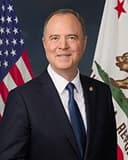
SPONSORSHIP
1 + 0
D· California
YRS IN OFFICE
25
BILLS LED
97
ACTION TIMELINE
2 EVENTSFEB 26
Introduced in Senate
FEB 26
Read twice and referred to the Committee on Environment and Public Works.
BILL INFO
TypeSenate Bill
NumberS 3928
Congress119th
StatusIn Committee
IntroducedFeb 26, 2026
Last actionFeb 26, 2026
READER REACTIONS
OVERALL SENTIMENT
No reactions yet. Be the first to weigh in.
Discussion
Loading comments...
IN COMMITTEE· 119TH CONGRESS · ENVIRONMENT AND PUBLIC WORKS COMMITTEE · INTRODUCED FEB 26, 2026
Senate BillS 3928Environmental Protection
SCOPE Act of 2026
INTRODUCED FEB 26, 2026· LAST ACTION FEB 26, 2026
PASSAGE CHANCES
—%
READING
2 min
COSPONSORS
0
COMPLEXITY
Moderate