Bills · S 3865
IN COMMITTEE· 119TH CONGRESS
Senate BillS 3865Labor and Employment
BE HEARD in the Workplace Act
INTRO FEB 12· LAST ACTION FEB 12
READING
135MIN
COSPONSORS
20
READER REACTIONS0 TOTAL
NO VOTES YET · BE THE FIRST
- Introduced only
LEGISLATIVE PROGRESS
STEP 2 / 8Introduced
In Committee
Reported
Passed Senate
Passed House
Conference
To President
Became Law
WHAT THE BILL DOES
AI-writtenVoters should care about this bill because it aims to make workplaces fairer and safer for everyone. If this bill becomes law, it means that many employers would be legally required to be more proactive in preventing discrimination and harassment, rather than just reacting to incidents. This could lead to a cultural shift in workplaces, making them more respectful and inclusive, and potentially reducing the prevalence of harmful behavior.
Without this bill, many of the current gaps in legal protections and employer accountability would remain. For example, workers might still be forced into arbitration or silenced by nondisclosure agreements, making it harder to seek justice for discrimination. The bill addresses real issues like lack of consistent anti-harassment training, ambiguous legal standing for certain types of discrimination, and limited access to legal resources for victims, particularly those with lower incomes.
KEY PROVISIONS
5AI-extractedPROVISION 01
Requires employers with 15 or more employees to adopt and disseminate comprehensive nondiscrimination policies and provide nondiscrimination training.
This provision sets a nationwide standard for workplace conduct and education, aiming to prevent discrimination and harassment before it occurs.
PROVISION 02
Clarifies that discrimination based on sexual orientation and gender identity is a form of unlawful sex discrimination.
This codifies legal protections for LGBTQ+ individuals against workplace discrimination, ensuring consistent application across the country.
PROVISION 03
Prohibits mandatory arbitration agreements and nondisclosure agreements for claims of discrimination and harassment.
This provision allows employees to pursue legal action in courts and speak openly about their experiences, increasing transparency and accountability.
PROVISION 04
Extends anti-discrimination protections to independent contractors, interns, fellows, volunteers, and trainees.
This broadens the scope of workplace protections to cover a wider range of individuals often vulnerable to discrimination.
PROVISION 05
Establishes an Office of Education and Outreach within the EEOC and authorizes grants for legal assistance to low-income workers.
These measures provide new resources for education, prevention, and support for workers seeking justice for discrimination.
SPONSORSHIP
1 + 20
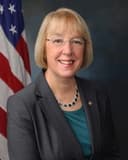
D· Washington
YRS IN OFFICE
33
BILLS LED
47
COSPONSOR BREAKDOWNBIPARTISAN · 0%
DEM 19 REP 0 IND 1
ACTION TIMELINE
2 EVENTSFEB 12
Introduced in Senate
FEB 12
Read twice and referred to the Committee on Health, Education, Labor, and Pensions.
BILL INFO
TypeSenate Bill
NumberS 3865
Congress119th
StatusIn Committee
IntroducedFeb 12, 2026
Last actionFeb 12, 2026
READER REACTIONS
OVERALL SENTIMENT
No reactions yet. Be the first to weigh in.
Discussion
Loading comments...
IN COMMITTEE· 119TH CONGRESS · HEALTH, EDUCATION, LABOR, AND PENSIONS COMMITTEE · INTRODUCED FEB 12, 2026
Senate BillS 3865Labor and Employment
BE HEARD in the Workplace Act
INTRODUCED FEB 12, 2026· LAST ACTION FEB 12, 2026
PASSAGE CHANCES
—%
READING
135 min
COSPONSORS
20
COMPLEXITY
Moderate