Bills · S 3846
IN COMMITTEE· 119TH CONGRESS
Senate BillS 3846Labor and Employment
Employer-Directed Skills Act
INTRO FEB 11· LAST ACTION FEB 11
READING
5MIN
COSPONSORS
2
READER REACTIONS0 TOTAL
NO VOTES YET · BE THE FIRST
- Introduced only
LEGISLATIVE PROGRESS
STEP 2 / 8Introduced
In Committee
Reported
Passed Senate
Passed House
Conference
To President
Became Law
WHAT THE BILL DOES
AI-writtenVoters should care about this bill because it aims to make federal job training programs more effective at connecting people to jobs. Currently, some training programs might not perfectly align with what employers are looking for, leading to a 'skills gap' where jobs are open but people don't have the right skills. By requiring employers to design the training, contribute financially, and commit to hiring, this bill tries to solve that problem.
If this bill becomes law, it could mean more people get training that directly leads to a guaranteed job, helping to reduce unemployment and improve economic productivity. Employers might find it easier to fill critical positions, boosting local economies. If it doesn't pass, job training programs would continue under the existing 'customized training' framework, which may not always have the same direct employer commitment and financial stake, potentially leaving a gap between available training and actual job openings.
KEY PROVISIONS
4AI-extractedPROVISION 01
Defines 'employer-directed skills development' as a program chosen or designed by an employer to meet specific skill demands, with a commitment from the employer to hire individuals upon successful completion.
This provision creates a formal category for job training directly tied to employer hiring needs, aiming to ensure training leads to employment.
PROVISION 02
Requires employers to pay a portion of the training costs, ranging from 10% for small businesses (50 or fewer employees) to 50% for larger businesses (100 or more employees).
This ensures employers have a financial stake in the training, which can incentivize more relevant and effective programs.
PROVISION 03
Streamlines the process for individuals referred by an employer for this training, potentially waiving initial interviews or assessments by workforce centers.
This provision can speed up access to training for individuals who already have a direct connection to an employer's hiring need.
PROVISION 04
Replaces all references to 'customized training' in the Workforce Innovation and Opportunity Act with 'employer-directed skills development'.
This updates federal law to reflect the new, more defined and employer-centric approach to workforce training.
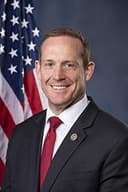
SPONSORSHIP
1 + 2
R· North Carolina
YRS IN OFFICE
9
BILLS LED
61
COSPONSOR BREAKDOWNBIPARTISAN · 0%
DEM 0 REP 2 IND 0
ACTION TIMELINE
2 EVENTSFEB 11
Introduced in Senate
FEB 11
Read twice and referred to the Committee on Health, Education, Labor, and Pensions.
BILL INFO
TypeSenate Bill
NumberS 3846
Congress119th
StatusIn Committee
IntroducedFeb 11, 2026
Last actionFeb 11, 2026
READER REACTIONS
OVERALL SENTIMENT
No reactions yet. Be the first to weigh in.
Discussion
Loading comments...
IN COMMITTEE· 119TH CONGRESS · HEALTH, EDUCATION, LABOR, AND PENSIONS COMMITTEE · INTRODUCED FEB 11, 2026
Senate BillS 3846Labor and Employment
Employer-Directed Skills Act
INTRODUCED FEB 11, 2026· LAST ACTION FEB 11, 2026
PASSAGE CHANCES
—%
READING
5 min
COSPONSORS
2
COMPLEXITY
Moderate