Bills · S 3840
IN COMMITTEE· 119TH CONGRESS
Senate BillS 3840Health
Health Investment Zones Act of 2026
INTRO FEB 11· LAST ACTION FEB 11
READING
15MIN
COSPONSORS
0
READER REACTIONS0 TOTAL
NO VOTES YET · BE THE FIRST
- Introduced only
LEGISLATIVE PROGRESS
STEP 2 / 8Introduced
In Committee
Reported
Passed Senate
Passed House
Conference
To President
Became Law
WHAT THE BILL DOES
AI-writtenThis bill matters because it tries to tackle long-standing health inequalities that leave many communities behind. If it becomes law, it could direct resources and attention to areas that desperately need better healthcare access and improved health outcomes, potentially reducing rates of chronic diseases and increasing life expectancy in struggling neighborhoods. The tax incentives are designed to encourage local job creation within the health sector, which could also boost local economies.
Without this bill, these disadvantaged communities might continue to face persistent health disparities without a coordinated, federally supported effort to address them. By creating specific 'zones' and offering incentives, the bill aims to spark both health improvements and economic development where they are most needed, making a tangible difference in people's daily lives and their long-term well-being.
KEY PROVISIONS
4AI-extractedPROVISION 01
Requires the Secretary of Health and Human Services to designate 'Health Investment Zones' in communities facing significant health disparities and poor health outcomes within two years of the bill becoming law.
This establishes a formal process to identify and target federal support to specific areas most in need of health intervention.
PROVISION 02
Sets specific eligibility criteria for an area to be designated as a Health Investment Zone, including factors like income below 150% of the federal poverty line or lower life expectancy than the national average.
These criteria ensure that designated zones are genuinely areas with documented socioeconomic and health disadvantages, focusing resources effectively.
PROVISION 03
Allows community-based non-profits and local government agencies, in partnership with healthcare organizations, to apply for these designations by submitting a plan to improve health and reduce costs.
This empowers local organizations and healthcare providers to lead solutions tailored to their community's unique needs.
PROVISION 04
Expands the Work Opportunity Tax Credit to include 'qualified Health Investment Zone workers,' providing a tax break for businesses that hire people for healthcare access roles in these zones.
This creates a financial incentive for businesses to hire locally and contribute to improving healthcare access and economic development in designated areas.
SPONSORSHIP
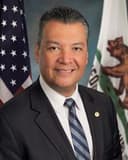
1 + 0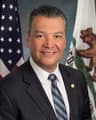
D· California
YRS IN OFFICE
3
BILLS LED
111
ACTION TIMELINE
2 EVENTSFEB 11
Introduced in Senate
FEB 11
Read twice and referred to the Committee on Finance.
BILL INFO
TypeSenate Bill
NumberS 3840
Congress119th
StatusIn Committee
IntroducedFeb 11, 2026
Last actionFeb 11, 2026
READER REACTIONS
OVERALL SENTIMENT
No reactions yet. Be the first to weigh in.
Discussion
Loading comments...
IN COMMITTEE· 119TH CONGRESS · FINANCE COMMITTEE · INTRODUCED FEB 11, 2026
Senate BillS 3840Health
Health Investment Zones Act of 2026
INTRODUCED FEB 11, 2026· LAST ACTION FEB 11, 2026
PASSAGE CHANCES
—%
READING
15 min
COSPONSORS
0
COMPLEXITY
Moderate