Bills · S 3830
IN COMMITTEE· 119TH CONGRESS
Senate BillS 3830Finance and Financial Sector
TRUST Act of 2026
INTRO FEB 11· LAST ACTION FEB 11
READING
1MIN
COSPONSORS
6BIPARTISAN
READER REACTIONS0 TOTAL
NO VOTES YET · BE THE FIRST
- Introduced only
LEGISLATIVE PROGRESS
STEP 2 / 8Introduced
In Committee
Reported
Passed Senate
Passed House
Conference
To President
Became Law
WHAT THE BILL DOES
AI-writtenThis bill matters because it changes the level of federal oversight for a significant number of mid-sized banks. If it becomes law, banks with assets between $3 billion and $6 billion would face less frequent regulatory checks. Proponents argue this could reduce the administrative burden on these banks, allowing them to potentially lend more or offer better services to customers by diverting resources away from constant compliance tasks.
However, it also raises questions about financial stability and consumer protection. Less frequent examinations mean a longer gap between official reviews, which could delay the detection of financial problems or risky practices at these institutions. Voters should care because it impacts the balance between easing regulations for businesses and ensuring the safety and soundness of the banking system that holds their deposits.
KEY PROVISIONS
3AI-extractedPROVISION 01
Changes the asset threshold for less frequent bank examinations from $3 billion to $6 billion.
This means more banks will qualify for a reduced examination cycle, impacting a larger segment of the banking industry.
PROVISION 02
Permits federal banking agencies to examine qualifying insured depository institutions with under $6 billion in total assets at least once every 18 months.
This extends the period between mandatory regulatory checks for qualifying banks in this asset range.
PROVISION 03
Applies the new examination cycle threshold to "well-managed institutions" as defined in current law.
The change is specifically for banks deemed to be in good financial health and managed responsibly, rather than all institutions.
SPONSORSHIP
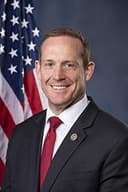
1 + 6
R· North Carolina
YRS IN OFFICE
9
BILLS LED
61
COSPONSOR BREAKDOWNBIPARTISAN · 100%
DEM 3 REP 3 IND 0
ACTION TIMELINE
2 EVENTSFEB 11
Introduced in Senate
FEB 11
Read twice and referred to the Committee on Banking, Housing, and Urban Affairs.
BILL INFO
TypeSenate Bill
NumberS 3830
Congress119th
StatusIn Committee
IntroducedFeb 11, 2026
Last actionFeb 11, 2026
READER REACTIONS
OVERALL SENTIMENT
No reactions yet. Be the first to weigh in.
Discussion
Loading comments...
IN COMMITTEE· 119TH CONGRESS · BANKING, HOUSING, AND URBAN AFFAIRS COMMITTEE · INTRODUCED FEB 11, 2026
Senate BillS 3830Finance and Financial Sector
TRUST Act of 2026
INTRODUCED FEB 11, 2026· LAST ACTION FEB 11, 2026
PASSAGE CHANCES
—%
READING
1 min
COSPONSORS
6
COMPLEXITY
Moderate