Bills · S 380
REPORTED· 119TH CONGRESS
Senate BillS 380Rural conditions and developmentEmployment and training programs
Rural Obstetrics Readiness Act
INTRO FEB 4· LAST ACTION JUL 28
READING
12MIN
COSPONSORS
7BIPARTISAN
READER REACTIONS0 TOTAL
NO VOTES YET · BE THE FIRST
- Introduced only
LEGISLATIVE PROGRESS
STEP 3 / 8Introduced
In Committee
Reported
Passed Senate
Passed House
Conference
To President
Became Law
WHAT THE BILL DOES
AI-writtenThis bill matters because many rural areas across the United States are facing a crisis of disappearing maternity care. When rural hospitals close their labor and delivery units, or lack the specialists and equipment to handle complex births, it forces pregnant individuals to travel long distances for care, which can be dangerous, especially during emergencies. This leads to worse health outcomes for mothers and babies in rural communities compared to urban areas.
If this bill becomes law, it would directly address these challenges by equipping and training rural healthcare providers to handle emergencies locally, and by connecting them with specialists remotely. This means safer pregnancies and deliveries for rural families, potentially saving lives and reducing preventable complications. If it doesn't become law, the existing disparities in maternal health care between rural and urban areas are likely to continue or worsen, leaving many vulnerable individuals without immediate access to critical life-saving care.
KEY PROVISIONS
3AI-extractedPROVISION 01
Establishes a new training program for healthcare providers in rural facilities without dedicated obstetric units.
This ensures that local providers in rural areas are equipped to handle emergency situations during pregnancy, labor, delivery, and postpartum, improving patient safety.
PROVISION 02
Creates a grant program to help eligible rural hospitals purchase equipment and supplies for obstetric emergencies, hire staff, and develop patient transfer protocols.
This provides essential financial support to rural hospitals to build their capacity to manage and respond to urgent maternal health situations effectively.
PROVISION 03
Authorizes a pilot program for states and tribal organizations to develop or improve telehealth networks for urgent maternal health consultations.
This connects rural healthcare providers with maternal health specialists remotely, allowing for immediate expert guidance during critical moments without requiring patient transfer.
SPONSORSHIP
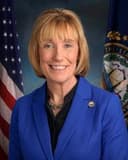
1 + 7
D· New Hampshire
YRS IN OFFICE
9
BILLS LED
57
COSPONSOR BREAKDOWNBIPARTISAN · 85%
DEM 3 REP 4 IND 0
ACTION TIMELINE
9 EVENTSJUL 28
Committee on Health, Education, Labor, and Pensions. Reported by Senator Cassidy with an amendment in the nature of a substitute. Without written report.
JUL 28
Placed on Senate Legislative Calendar under General Orders. Calendar No. 525.
JUL 22
Committee on Health, Education, Labor, and Pensions. Ordered to be reported with an amendment in the nature of a substitute favorably.
MAR 19
Committee on Health, Education, Labor, and Pensions. Hearings held.
BILL INFO
TypeSenate Bill
NumberS 380
Congress119th
StatusReported
IntroducedFeb 4, 2025
Last actionJul 28, 2026
READER REACTIONS
OVERALL SENTIMENT
No reactions yet. Be the first to weigh in.
Discussion
Loading comments...
REPORTED· 119TH CONGRESS · HEALTH, EDUCATION, LABOR, AND PENSIONS COMMITTEE · INTRODUCED FEB 4, 2025
Senate BillS 380Rural conditions and developmentEmployment and training programs
Rural Obstetrics Readiness Act
INTRODUCED FEB 4, 2025· LAST ACTION JUL 28, 2026
PASSAGE CHANCES
—%
READING
12 min
COSPONSORS
7
COMPLEXITY
Moderate