Bills · S 3756
IN COMMITTEE· 119TH CONGRESS
Senate BillS 3756Government Operations and Politics
Poverty Statistics Enhancement Act
INTRO FEB 2· LAST ACTION FEB 2
READING
13MIN
COSPONSORS
0
READER REACTIONS0 TOTAL
NO VOTES YET · BE THE FIRST
- Introduced only
LEGISLATIVE PROGRESS
STEP 2 / 8Introduced
In Committee
Reported
Passed Senate
Passed House
Conference
To President
Became Law
WHAT THE BILL DOES
AI-writtenHow the government measures poverty has significant real-world consequences, and this bill proposes a fundamental shift. If enacted, it would likely result in a lower official poverty rate because many non-cash benefits and government transfers, which weren't always fully counted, would now be included as income. This change could spark debates about the true extent of poverty in the U.S. and the effectiveness of current social programs.
Voters should care because a lower official poverty rate could influence public opinion on economic conditions and potentially reduce political pressure for certain social safety net programs. Conversely, opponents might argue that by including non-cash benefits, the bill could mask the struggles of those who still have very little cash income for daily needs. Understanding how poverty is measured helps voters critically assess policy discussions and the government's approach to economic well-being.
KEY PROVISIONS
4AI-extractedPROVISION 01
Requires the Census Bureau to use the Congressional Budget Office's method for analyzing household income when measuring poverty.
This fundamentally changes the official way poverty is calculated, potentially altering the number of people categorized as living in poverty.
PROVISION 02
Defines "earned income" to include various employer-paid benefits (like health insurance, retirement contributions) and investment income (interest, dividends, capital gains).
These non-cash benefits and investment gains were often excluded from traditional poverty measures, and their inclusion could significantly raise the measured income of some households.
PROVISION 03
Defines "government transfer payments" to include a wide range of government assistance, such as Social Security, Medicare, Medicaid, food stamps, housing assistance, and various tax credits.
Explicitly counting the monetary value of these benefits as income changes the calculation for many low-income households, potentially moving them above the poverty line.
PROVISION 04
Requires adjustments and readjustments to "earned income" data to ensure accuracy, using various benchmarks and research to correct for missing or misreported information.
This aims to make the new poverty statistics more reliable and complete by accounting for data discrepancies.
SPONSORSHIP
1 + 0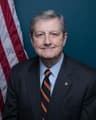
R· Louisiana
YRS IN OFFICE
9
BILLS LED
84
ACTION TIMELINE
2 EVENTSFEB 2
Introduced in Senate
FEB 2
Read twice and referred to the Committee on Homeland Security and Governmental Affairs.
BILL INFO
TypeSenate Bill
NumberS 3756
Congress119th
StatusIn Committee
IntroducedFeb 2, 2026
Last actionFeb 2, 2026
READER REACTIONS
OVERALL SENTIMENT
No reactions yet. Be the first to weigh in.
Discussion
Loading comments...
IN COMMITTEE· 119TH CONGRESS · HOMELAND SECURITY AND GOVERNMENTAL AFFAIRS COMMITTEE · INTRODUCED FEB 2, 2026
Senate BillS 3756Government Operations and Politics
Poverty Statistics Enhancement Act
INTRODUCED FEB 2, 2026· LAST ACTION FEB 2, 2026
PASSAGE CHANCES
—%
READING
13 min
COSPONSORS
0
COMPLEXITY
Moderate