Bills · S 3717
IN COMMITTEE· 119TH CONGRESS
Senate BillS 3717Agriculture and Food
Opportunities in Organic Act
INTRO JAN 28· LAST ACTION JAN 28
READING
13MIN
COSPONSORS
12
READER REACTIONS0 TOTAL
NO VOTES YET · BE THE FIRST
- Introduced only
LEGISLATIVE PROGRESS
STEP 2 / 8Introduced
In Committee
Reported
Passed Senate
Passed House
Conference
To President
Became Law
WHAT THE BILL DOES
AI-writtenVoters should care about this bill because it aims to reduce barriers to organic farming, potentially leading to more organic food options in the marketplace and a more diverse agricultural landscape. If this bill becomes law, it could help more farmers adopt sustainable practices, improving soil health, water quality, and biodiversity. It also provides an economic opportunity for farmers to access a growing market for organic products.
If this bill doesn't pass, the existing cost-share program would remain more limited, and farmers would continue to face significant financial and technical hurdles in transitioning to and maintaining organic certification. This means slower growth in the organic sector and potentially fewer opportunities for farmers to pursue more environmentally friendly and profitable farming methods.
KEY PROVISIONS
5AI-extractedPROVISION 01
Renames and expands the existing National Organic Certification Cost-Share Program to the "Opportunities in Organic program," broadening its scope beyond just certification costs.
This fundamentally changes the nature of federal support for organic agriculture, making it more comprehensive.
PROVISION 02
Establishes federal payments for organic certification costs, providing up to $1,500 per producer or handler.
This directly helps farmers cover the expenses associated with becoming certified organic.
PROVISION 03
Allows the Secretary of Agriculture to exceed the $1,500 maximum payment for producers in regions with high costs or for socially disadvantaged farmers.
This ensures that financial barriers to organic certification are specifically addressed for those who face greater challenges.
PROVISION 04
Authorizes funding for eligible nonprofit organizations to provide extensive support and technical assistance for farmers transitioning to organic and for ongoing organic management.
This creates a robust support network for farmers, offering practical help beyond just financial aid.
PROVISION 05
Defines "eligible nonprofit organization" to prioritize support for socially disadvantaged farmers, organic producers, and those in vulnerable or under-resourced agricultural regions.
This ensures that the new support services are targeted towards specific groups and areas that may need them most.
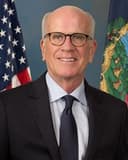
SPONSORSHIP
1 + 12
D· Vermont
YRS IN OFFICE
19
BILLS LED
84
COSPONSOR BREAKDOWNBIPARTISAN · 0%
DEM 10 REP 0 IND 2
ACTION TIMELINE
2 EVENTSJAN 28
Introduced in Senate
JAN 28
Read twice and referred to the Committee on Agriculture, Nutrition, and Forestry.
BILL INFO
TypeSenate Bill
NumberS 3717
Congress119th
StatusIn Committee
IntroducedJan 28, 2026
Last actionJan 28, 2026
READER REACTIONS
OVERALL SENTIMENT
No reactions yet. Be the first to weigh in.
Discussion
Loading comments...
IN COMMITTEE· 119TH CONGRESS · AGRICULTURE, NUTRITION, AND FORESTRY COMMITTEE · INTRODUCED JAN 28, 2026
Senate BillS 3717Agriculture and Food
Opportunities in Organic Act
INTRODUCED JAN 28, 2026· LAST ACTION JAN 28, 2026
PASSAGE CHANCES
—%
READING
13 min
COSPONSORS
12
COMPLEXITY
Moderate