Bills · S 3568
IN COMMITTEE· 119TH CONGRESS
Senate BillS 3568Immigration
Naturalization and Oath Ceremony Protection Act
INTRO DEC 18· LAST ACTION DEC 18
READING
4MIN
COSPONSORS
0
READER REACTIONS0 TOTAL
NO VOTES YET · BE THE FIRST
- Introduced only
LEGISLATIVE PROGRESS
STEP 2 / 8Introduced
In Committee
Reported
Passed Senate
Passed House
Conference
To President
Became Law
WHAT THE BILL DOES
AI-writtenThis bill matters because it addresses a critical and often stressful stage for immigrants seeking to become U.S. citizens. For those who have successfully navigated a lengthy and complex application process, receiving approval, only to face last-minute delays or cancellations of their oath ceremony, can cause immense anxiety, financial strain, and uncertainty about their future. This legislation aims to provide a clear legal framework to prevent such situations, ensuring that an approved applicant's path to citizenship is secure.
If this bill becomes law, it would offer greater stability and legal recourse for approved citizenship applicants, making it significantly harder for the government to reverse course or delay the final step without strong, individualized justification and due process. If it does not pass, the current system allows for more discretionary power in postponing or denying ceremonies after initial approval, potentially leaving approved applicants in a vulnerable position without explicit legal protections or a straightforward way to challenge such decisions, and without the ability to recover legal costs if they prevail in court.
KEY PROVISIONS
5AI-extractedPROVISION 01
Guarantees approved naturalization applicants the right to attend their ceremony, take the oath, and receive their citizenship certificate.
This establishes a clear legal right, ensuring approved applicants can complete the final step of becoming a citizen without arbitrary denial.
PROVISION 02
Limits exceptions for barring an approved applicant to specific, individualized findings of ineligibility or fraud discovered after initial approval.
It prevents arbitrary denials or delays based on general policies or non-individualized reasons, focusing on due process and specific facts.
PROVISION 03
Requires the Department of Homeland Security to provide written notice with specific reasons, an opportunity to respond, and supervisory review for any decision to bar or postpone a ceremony.
These procedural protections ensure transparency and fairness, giving applicants a chance to understand and challenge adverse decisions.
PROVISION 04
Prohibits delaying or excluding applicants based on nationality, country of origin, or broad categorical reviews, emphasizing that decisions must be based on individual eligibility.
This prevents discrimination and ensures that citizenship decisions are based on an individual's merits rather than group characteristics.
PROVISION 05
Allows approved applicants to seek judicial review if they are denied or postponed from a ceremony, and provides for prompt rescheduling and potential recovery of attorneys' fees if they win.
This provides a strong mechanism for accountability, ensuring the government adheres to the law and offering a meaningful remedy for affected individuals.
SPONSORSHIP
1 + 0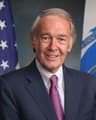
D· Massachusetts
YRS IN OFFICE
51
BILLS LED
164
ACTION TIMELINE
2 EVENTSDEC 18
Introduced in Senate
DEC 18
Read twice and referred to the Committee on the Judiciary.
BILL INFO
TypeSenate Bill
NumberS 3568
Congress119th
StatusIn Committee
IntroducedDec 18, 2025
Last actionDec 18, 2025
READER REACTIONS
OVERALL SENTIMENT
No reactions yet. Be the first to weigh in.
Discussion
Loading comments...
IN COMMITTEE· 119TH CONGRESS · JUDICIARY COMMITTEE · INTRODUCED DEC 18, 2025
Senate BillS 3568Immigration
Naturalization and Oath Ceremony Protection Act
INTRODUCED DEC 18, 2025· LAST ACTION DEC 18, 2025
PASSAGE CHANCES
—%
READING
4 min
COSPONSORS
0
COMPLEXITY
Moderate