Bills · S 3402
IN COMMITTEE· 119TH CONGRESS
Senate BillS 3402Health
Ensuring Excellence in Mental Health Act
INTRO DEC 9· LAST ACTION DEC 9
READING
28MIN
COSPONSORS
3BIPARTISAN
READER REACTIONS0 TOTAL
NO VOTES YET · BE THE FIRST
- Introduced only
LEGISLATIVE PROGRESS
STEP 2 / 8Introduced
In Committee
Reported
Passed Senate
Passed House
Conference
To President
Became Law
WHAT THE BILL DOES
AI-writtenThis bill matters because it tries to fix long-standing issues with how mental health services are funded, especially for those with Medicaid. Currently, many community mental health clinics struggle financially due to complex and insufficient payment systems, which can limit the services they offer or even force them to close. By requiring states to pay these clinics based on their actual costs and allowing for inflation adjustments, the bill aims to provide more stable and adequate funding. This could mean more people get timely and comprehensive mental health and addiction treatment, potentially reducing emergency room visits, hospitalizations, and improving overall community well-being.
If this bill becomes law, we could see an expansion of available mental health services, shorter wait times, and a higher quality of care at these clinics. If it doesn't pass, many clinics might continue to face financial instability, potentially leading to continued gaps in mental health access and ongoing challenges for individuals seeking care, especially those in underserved communities.
KEY PROVISIONS
5AI-extractedPROVISION 01
Requires states to pay Certified Community Behavioral Health Clinics through Medicaid using a "prospective payment system" starting January 1, 2026, based on their average costs.
This creates a more stable and predictable funding model for clinics, helping them plan and deliver comprehensive care without constant financial worry.
PROVISION 02
Allows states to require these clinics to obtain accreditation from an approved body to ensure they meet certain quality standards.
This provides an option for states to enhance quality assurance for mental health services funded by Medicaid.
PROVISION 03
Permits states to establish different payment rates for special populations or for crisis intervention services within the Medicaid program.
This provides flexibility to tailor funding to specific needs, such as ensuring robust support for mobile crisis teams or for groups requiring specialized care.
PROVISION 04
Extends Medicare coverage to services provided by Certified Community Behavioral Health Clinics.
This expands access to comprehensive behavioral health care for seniors and other Medicare beneficiaries, addressing a current gap in coverage.
PROVISION 05
Offers liability protection under federal law to clinicians working in Certified Community Behavioral Health Clinics.
This could help recruit and retain mental health professionals by reducing personal risk, thereby strengthening the workforce.
SPONSORSHIP
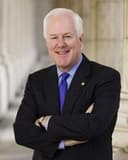
1 + 3
R· Texas
YRS IN OFFICE
23
BILLS LED
137
COSPONSOR BREAKDOWNBIPARTISAN · 66%
DEM 2 REP 1 IND 0
ACTION TIMELINE
2 EVENTSDEC 9
Introduced in Senate
DEC 9
Read twice and referred to the Committee on Finance.
BILL INFO
TypeSenate Bill
NumberS 3402
Congress119th
StatusIn Committee
IntroducedDec 9, 2025
Last actionDec 9, 2025
READER REACTIONS
OVERALL SENTIMENT
No reactions yet. Be the first to weigh in.
Discussion
Loading comments...
IN COMMITTEE· 119TH CONGRESS · FINANCE COMMITTEE · INTRODUCED DEC 9, 2025
Senate BillS 3402Health
Ensuring Excellence in Mental Health Act
INTRODUCED DEC 9, 2025· LAST ACTION DEC 9, 2025
PASSAGE CHANCES
—%
READING
28 min
COSPONSORS
3
COMPLEXITY
Moderate