Bills · S 3396
IN COMMITTEE· 119TH CONGRESS
Senate BillS 3396Labor and Employment
Domestic Workers Bill of Rights Act
INTRO DEC 9· LAST ACTION DEC 9
READING
105MIN
COSPONSORS
17
READER REACTIONS0 TOTAL
NO VOTES YET · BE THE FIRST
- Introduced only
LEGISLATIVE PROGRESS
STEP 2 / 8Introduced
In Committee
Reported
Passed Senate
Passed House
Conference
To President
Became Law
WHAT THE BILL DOES
AI-writtenThis bill addresses the historical exclusion of domestic workers from many fundamental labor protections, a situation highlighted by the challenges faced during the COVID-19 pandemic. Many domestic workers, who are disproportionately women, people of color, and immigrants, often work long hours for low wages, lack benefits like sick leave, and face job insecurity or unpredictable schedules. The 'Findings' section of the bill notes that the median annual wage for a domestic employee is approximately $20,926 and they are three times more likely to live below the federal poverty level.
If this bill becomes law, it would provide a safety net for a vulnerable workforce, offering them more stable employment conditions, better pay, and essential benefits. This could reduce financial hardship for millions of families and improve the quality of care provided by ensuring workers are treated fairly. If it does not become law, domestic workers will largely continue to operate without these federal protections, potentially perpetuating existing disparities in wages, benefits, and working conditions compared to other sectors of the economy.
KEY PROVISIONS
5AI-extractedPROVISION 01
Establishes overtime protections for live-in domestic employees.
Many live-in domestic workers currently work extremely long hours without additional pay, and this would ensure fair compensation for their time.
PROVISION 02
Mandates earned sick days for all domestic employees.
This provision would allow domestic workers to take paid time off when ill without losing income, preventing the spread of illness and improving their financial stability.
PROVISION 03
Requires written agreements for all domestic employees, outlining terms of employment.
Written contracts create clear expectations for both employers and employees, reducing misunderstandings and disputes over wages, duties, and hours.
PROVISION 04
Extends civil rights protections against discrimination in employment to include certain domestic employees.
This offers crucial legal recourse for domestic workers who face discrimination based on factors like race, gender, or national origin, which they currently often lack.
PROVISION 05
Establishes fair scheduling practices for domestic employees.
Predictable work schedules make it easier for domestic workers to manage their personal lives, childcare, and other commitments, reducing stress and instability.
SPONSORSHIP
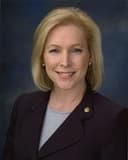
1 + 17
D· New York
YRS IN OFFICE
19
BILLS LED
68
COSPONSOR BREAKDOWNBIPARTISAN · 0%
DEM 16 REP 0 IND 1
ACTION TIMELINE
2 EVENTSDEC 9
Introduced in Senate
DEC 9
Read twice and referred to the Committee on Health, Education, Labor, and Pensions.
BILL INFO
TypeSenate Bill
NumberS 3396
Congress119th
StatusIn Committee
IntroducedDec 9, 2025
Last actionDec 9, 2025
READER REACTIONS
OVERALL SENTIMENT
No reactions yet. Be the first to weigh in.
Discussion
Loading comments...
IN COMMITTEE· 119TH CONGRESS · HEALTH, EDUCATION, LABOR, AND PENSIONS COMMITTEE · INTRODUCED DEC 9, 2025
Senate BillS 3396Labor and Employment
Domestic Workers Bill of Rights Act
INTRODUCED DEC 9, 2025· LAST ACTION DEC 9, 2025
PASSAGE CHANCES
—%
READING
105 min
COSPONSORS
17
COMPLEXITY
Moderate