Bills · S 3366
IN COMMITTEE· 119TH CONGRESS
Senate BillS 3366Crime and Law Enforcement
Back the Blue Act of 2025
INTRO DEC 4· LAST ACTION DEC 4
READING
15MIN
COSPONSORS
38
READER REACTIONS0 TOTAL
NO VOTES YET · BE THE FIRST
- Introduced only
LEGISLATIVE PROGRESS
STEP 2 / 8Introduced
In Committee
Reported
Passed Senate
Passed House
Conference
To President
Became Law
WHAT THE BILL DOES
AI-writtenThis bill matters because it significantly increases the federal government's role in prosecuting crimes against a broad category of public safety officers, including many state and local personnel. If this bill becomes law, attacks on these officers could lead to more severe federal sentences, potentially including the death penalty for killings, which might not always be an option under state laws.
Voters should care because it impacts how crimes against public safety officials are punished and could be seen as either a vital step in protecting those who serve or as an overreach of federal power into areas traditionally handled by states. It aims to provide stronger protections and potentially deter violence against these individuals by ensuring stricter and more uniform punishment, which could affect public safety and the willingness of individuals to pursue careers in law enforcement and emergency services.
KEY PROVISIONS
4AI-extractedPROVISION 01
Creates a new federal crime for killing, attempting to kill, or conspiring to kill a United States judge, a Federal law enforcement officer, or a federally funded public safety officer.
This provision establishes a high-level federal offense with severe penalties for acts of violence resulting in death or attempted death of protected individuals.
PROVISION 02
Establishes a new federal crime for assaulting federally funded State or local law enforcement officers, with penalties varying based on the severity of injury or weapon use.
This provision introduces tiered federal penalties for assaults, allowing for more stringent punishment than some state laws and providing federal jurisdiction for these crimes.
PROVISION 03
Defines 'federally funded public safety officer' and 'federally funded State or local law enforcement officer' to include a wide range of state and local personnel whose agencies receive federal financial assistance.
This broad definition expands the scope of federal protection to many non-federal public safety workers, significantly increasing federal jurisdiction over crimes that might otherwise be solely state matters.
PROVISION 04
Requires certification from the Attorney General for federal prosecution of assault cases against law enforcement officers, allowing prosecution only if the state lacks jurisdiction, requests federal involvement, or if federal prosecution is deemed in the public interest to secure justice.
This mechanism ensures that federal prosecution for assaults is undertaken strategically, preventing automatic federal intervention and considering state efforts.
SPONSORSHIP
1 + 38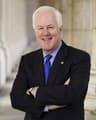
R· Texas
YRS IN OFFICE
23
BILLS LED
137
COSPONSOR BREAKDOWNBIPARTISAN · 0%
DEM 0 REP 38 IND 0
ACTION TIMELINE
2 EVENTSDEC 4
Introduced in Senate
DEC 4
Read twice and referred to the Committee on the Judiciary.
BILL INFO
TypeSenate Bill
NumberS 3366
Congress119th
StatusIn Committee
IntroducedDec 4, 2025
Last actionDec 4, 2025
READER REACTIONS
OVERALL SENTIMENT
No reactions yet. Be the first to weigh in.
Discussion
Loading comments...
IN COMMITTEE· 119TH CONGRESS · JUDICIARY COMMITTEE · INTRODUCED DEC 4, 2025
Senate BillS 3366Crime and Law Enforcement
Back the Blue Act of 2025
INTRODUCED DEC 4, 2025· LAST ACTION DEC 4, 2025
PASSAGE CHANCES
—%
READING
15 min
COSPONSORS
38
COMPLEXITY
Moderate