Bills · S 3314
IN COMMITTEE· 119TH CONGRESS
Senate BillS 3314Armed Forces and National Security
Written Informed Consent Act
INTRO DEC 2· LAST ACTION DEC 2
READING
1MIN
COSPONSORS
7
READER REACTIONS0 TOTAL
NO VOTES YET · BE THE FIRST
- Introduced only
LEGISLATIVE PROGRESS
STEP 2 / 8Introduced
In Committee
Reported
Passed Senate
Passed House
Conference
To President
Became Law
WHAT THE BILL DOES
AI-writtenVoters should care about this bill because it aims to increase transparency and empower veterans in making healthcare decisions, especially concerning powerful medications. If this bill becomes law, veterans would have a more standardized and explicit process for understanding the risks and benefits of specific drugs for mental health, pain, and other conditions, ensuring they give written consent before treatment.
If this bill does not pass, the informed consent procedures for these types of medications within the VA would remain as they are currently, which might not always involve a specific written agreement as robust as the one currently required for long-term opioid therapy. This bill seeks to bring a similar level of patient engagement and documentation to these other significant drug classes, potentially improving patient safety and autonomy.
KEY PROVISIONS
3AI-extractedPROVISION 01
Directs the Secretary of Veterans Affairs to update an existing Veterans Health Administration (VHA) directive concerning informed consent.
This ensures that VA policies are formally modified to incorporate new requirements for patient consent.
PROVISION 02
Expands the scope of VHA Directive 1005, which currently covers long-term opioid therapy for pain, to include antipsychotic medications.
This means veterans would need to provide written, informed consent specifically for these powerful mental health drugs, enhancing patient understanding and autonomy.
PROVISION 03
Further expands the informed consent requirement to also cover stimulants, antidepressants, anxiolytics, and narcotics.
This broadens the types of powerful drugs for which veterans must give explicit written consent, promoting consistent patient safety and engagement across multiple medication classes.
SPONSORSHIP
1 + 7
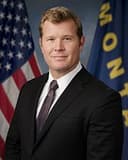
R· Montana
YRS IN OFFICE
1
BILLS LED
77
COSPONSOR BREAKDOWNBIPARTISAN · 0%
DEM 0 REP 7 IND 0
ACTION TIMELINE
2 EVENTSDEC 2
Introduced in Senate
DEC 2
Read twice and referred to the Committee on Veterans' Affairs.
BILL INFO
TypeSenate Bill
NumberS 3314
Congress119th
StatusIn Committee
IntroducedDec 2, 2025
Last actionDec 2, 2025
READER REACTIONS
OVERALL SENTIMENT
No reactions yet. Be the first to weigh in.
Discussion
Loading comments...
IN COMMITTEE· 119TH CONGRESS · VETERANS' AFFAIRS COMMITTEE · INTRODUCED DEC 2, 2025
Senate BillS 3314Armed Forces and National Security
Written Informed Consent Act
INTRODUCED DEC 2, 2025· LAST ACTION DEC 2, 2025
PASSAGE CHANCES
—%
READING
1 min
COSPONSORS
7
COMPLEXITY
Moderate