Bills · S 3284
IN COMMITTEE· 119TH CONGRESS
Senate BillS 3284Transportation and Public Works
Streamline Transit Projects Act
INTRO DEC 1· LAST ACTION DEC 1
READING
6MIN
COSPONSORS
4BIPARTISAN
READER REACTIONS0 TOTAL
NO VOTES YET · BE THE FIRST
- Introduced only
LEGISLATIVE PROGRESS
STEP 2 / 8Introduced
In Committee
Reported
Passed Senate
Passed House
Conference
To President
Became Law
WHAT THE BILL DOES
AI-writtenThis bill matters because it changes a fundamental part of how public transportation projects are approved in the U.S. By allowing local transit agencies to handle some environmental reviews themselves, it aims to reduce delays caused by federal processes, potentially leading to faster construction of new bus lanes, updated stations, or other minor infrastructure improvements that can ease commutes and enhance public transit.
If this bill becomes law, voters might see transit projects in their communities progress more quickly. If it does not pass, the current system of federal oversight for all environmental reviews, regardless of project size, will continue. This debate centers on balancing the desire for faster infrastructure development with concerns about maintaining thorough environmental protection, and whether local agencies are best positioned to manage both effectively.
KEY PROVISIONS
5AI-extractedPROVISION 01
Allows eligible transit agencies to assume federal responsibility for determining "categorical exclusions" under the National Environmental Policy Act (NEPA).
This aims to streamline and expedite the environmental review process for smaller, less impactful transit projects by shifting decision-making to the local level.
PROVISION 02
Permits eligible agencies to also assume responsibility for environmental review under other federal laws for these categorical exclusions, with the exception of consultations with Indian Tribes.
This further consolidates the environmental approval process for eligible projects under local control, potentially speeding up overall project timelines.
PROVISION 03
Requires a formal Memorandum of Understanding (MOU) between the Secretary of Transportation and the eligible agency, detailing assigned responsibilities, terms, and conditions, and allowing for public notice and comment.
This ensures a clear, legally binding agreement defines the scope of assumed responsibilities, includes provisions for federal oversight, and offers transparency to the public.
PROVISION 04
Stipulates that an eligible recipient assuming these responsibilities is solely responsible and liable for complying with and carrying out the relevant federal environmental laws.
This clarifies legal accountability, shifting liability for environmental compliance from the federal government to the local agency for the assumed duties.
PROVISION 05
Establishes that the Secretary of Transportation can terminate the assignment of responsibilities if an eligible agency fails to adequately perform its duties, after providing notice and an opportunity for corrective action.
This provides a crucial federal oversight mechanism, ensuring that local agencies are held accountable for maintaining environmental standards and allowing the federal government to reassume control if necessary.
SPONSORSHIP
1 + 4
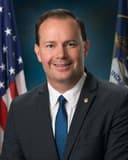
R· Utah
YRS IN OFFICE
15
BILLS LED
138
COSPONSOR BREAKDOWNBIPARTISAN · 50%
DEM 3 REP 1 IND 0
ACTION TIMELINE
2 EVENTSDEC 1
Introduced in Senate
DEC 1
Read twice and referred to the Committee on Banking, Housing, and Urban Affairs.
BILL INFO
TypeSenate Bill
NumberS 3284
Congress119th
StatusIn Committee
IntroducedDec 1, 2025
Last actionDec 1, 2025
READER REACTIONS
OVERALL SENTIMENT
No reactions yet. Be the first to weigh in.
Discussion
Loading comments...
IN COMMITTEE· 119TH CONGRESS · BANKING, HOUSING, AND URBAN AFFAIRS COMMITTEE · INTRODUCED DEC 1, 2025
Senate BillS 3284Transportation and Public Works
Streamline Transit Projects Act
INTRODUCED DEC 1, 2025· LAST ACTION DEC 1, 2025
PASSAGE CHANCES
—%
READING
6 min
COSPONSORS
4
COMPLEXITY
Moderate