Bills · S 3273
IN COMMITTEE· 119TH CONGRESS
Senate BillS 3273International Affairs
American Allies Protection Act
INTRO NOV 20· LAST ACTION NOV 20
READING
2MIN
COSPONSORS
0
READER REACTIONS0 TOTAL
NO VOTES YET · BE THE FIRST
- Introduced only
LEGISLATIVE PROGRESS
STEP 2 / 8Introduced
In Committee
Reported
Passed Senate
Passed House
Conference
To President
Became Law
WHAT THE BILL DOES
AI-writtenVoters should care because this bill directly impacts how U.S. state and local governments interact with international legal bodies and how the U.S. treats officials from its closest allies. If passed, it would prevent state and local police or other officials from arresting foreign officials from allied nations based *solely* on requests from the International Criminal Court, potentially avoiding diplomatic tensions or disputes over international jurisdiction. It also creates a strong financial incentive for states and localities to follow this policy, as non-compliance could lead to a significant loss of federal funding for a four-year period.
If this bill does not become law, state and local officials would technically still have the ability to cooperate with the International Criminal Court in such matters, though federal policy generally discourages it. The bill provides a clear federal directive and a financial consequence for state and local entities, reinforcing the U.S. stance on the ICC's jurisdiction over allied officials. This could be seen as protecting U.S. sovereignty or as undermining international justice, depending on one's perspective.
KEY PROVISIONS
3AI-extractedPROVISION 01
Prohibits federal grants to states or local governments if their officials arrest or detain current or former foreign officials from NATO or Major Non-NATO Ally countries based *solely* on International Criminal Court (ICC) warrants.
This provision creates a strong financial disincentive for state and local entities to cooperate with the ICC against U.S. allies.
PROVISION 02
Specifies that the Attorney General is the one who withholds federal grants for a four-year period for non-compliant states or localities.
This designates a specific federal official and timeframe for implementing the penalties, providing clarity on enforcement.
PROVISION 03
Allows the Attorney General to waive the grant prohibition if the President certifies to Congress that cooperating with the ICC in a specific instance is essential for U.S. national security interests.
This provides a critical safety valve, allowing the U.S. to maintain flexibility for exceptional circumstances related to national security.
SPONSORSHIP
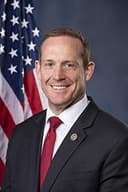
1 + 0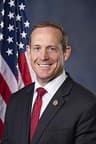
R· North Carolina
YRS IN OFFICE
9
BILLS LED
61
ACTION TIMELINE
2 EVENTSNOV 20
Introduced in Senate
NOV 20
Read twice and referred to the Committee on the Judiciary.
BILL INFO
TypeSenate Bill
NumberS 3273
Congress119th
StatusIn Committee
IntroducedNov 20, 2025
Last actionNov 20, 2025
READER REACTIONS
OVERALL SENTIMENT
No reactions yet. Be the first to weigh in.
Discussion
Loading comments...
IN COMMITTEE· 119TH CONGRESS · JUDICIARY COMMITTEE · INTRODUCED NOV 20, 2025
Senate BillS 3273International Affairs
American Allies Protection Act
INTRODUCED NOV 20, 2025· LAST ACTION NOV 20, 2025
PASSAGE CHANCES
—%
READING
2 min
COSPONSORS
0
COMPLEXITY
Moderate