Bills · S 3262
IN COMMITTEE· 119TH CONGRESS
Senate BillS 3262International Affairs
A bill to require the Secretary of Defense to develop and implement a strategy to field an integrated air defense system to bolster the capability of NATO to defeat unmanned aerial systems and deter Russian aggression, and for other purposes.
INTRO NOV 20· LAST ACTION NOV 20
READING
3MIN
COSPONSORS
1
READER REACTIONS0 TOTAL
NO VOTES YET · BE THE FIRST
- Introduced only
LEGISLATIVE PROGRESS
STEP 2 / 8Introduced
In Committee
Reported
Passed Senate
Passed House
Conference
To President
Became Law
WHAT THE BILL DOES
AI-writtenThis bill matters because it aims to strengthen the defenses of NATO allies against a growing threat: drones. Recent conflicts have shown that drones can be highly effective and relatively inexpensive weapons, posing a significant challenge to traditional air defense systems. By pushing for an integrated, multi-layered defense focused on cost-effective solutions, the bill seeks to prevent NATO from depleting its expensive weaponry on cheap threats, making its defense more sustainable and robust.
If this bill becomes law, the U.S. Department of Defense would be legally required to actively pursue and implement a strategy to bolster NATO's drone defenses and deter Russian aggression. This means concrete steps would be taken to improve security for allied nations, potentially enhancing regional stability. If it doesn't become law, such a comprehensive and coordinated effort might not materialize, leaving NATO's eastern members potentially more vulnerable to drone attacks and Russian influence, and forcing countries to act independently rather than as a cohesive unit.
KEY PROVISIONS
5AI-extractedPROVISION 01
Requires the Secretary of Defense, in coordination with the Secretary of State, to engage with NATO to develop and implement a strategy for an integrated air defense system.
This mandates a high-level, coordinated effort to specifically address a critical defense gap within NATO.
PROVISION 02
The strategy must identify existing gaps in NATO's defense against drones, particularly regarding the use of low-cost defenses and next-generation technologies.
This ensures the strategy is data-driven and focuses on efficient, modern solutions to counter drone threats.
PROVISION 03
The strategy must outline U.S. actions over the next five years to enhance NATO's ability to produce low-cost drone defenses and develop new technologies like AI and high-power microwave weapons.
This specifies concrete steps for U.S. contribution and leadership in strengthening NATO's future defense capabilities.
PROVISION 04
The strategy must include actions to expand NATO's production of mass-produced, low-cost unmanned aerial systems, potentially through cooperation with Ukraine.
This promotes a proactive, offensive capability and leverages Ukraine's battlefield experience in drone technology.
PROVISION 05
The Secretary of Defense must submit the strategy to Congress within 90 days of enactment and an interim report on its implementation by March 15, 2027.
This provides congressional oversight and ensures accountability and progress on the mandated strategy.
SPONSORSHIP
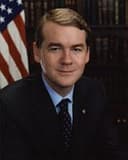
1 + 1
D· Colorado
YRS IN OFFICE
17
BILLS LED
82
COSPONSOR BREAKDOWNBIPARTISAN · 0%
DEM 0 REP 1 IND 0
ACTION TIMELINE
2 EVENTSNOV 20
Introduced in Senate
NOV 20
Read twice and referred to the Committee on Foreign Relations.
BILL INFO
TypeSenate Bill
NumberS 3262
Congress119th
StatusIn Committee
IntroducedNov 20, 2025
Last actionNov 20, 2025
READER REACTIONS
OVERALL SENTIMENT
No reactions yet. Be the first to weigh in.
Discussion
Loading comments...
IN COMMITTEE· 119TH CONGRESS · FOREIGN RELATIONS COMMITTEE · INTRODUCED NOV 20, 2025
Senate BillS 3262International Affairs
A bill to require the Secretary of Defense to develop and implement a strategy to field an integrated air defense system to bolster the capability of NATO to defeat unmanned aerial systems and deter Russian aggression, and for other purposes.
INTRODUCED NOV 20, 2025· LAST ACTION NOV 20, 2025
PASSAGE CHANCES
—%
READING
3 min
COSPONSORS
1
COMPLEXITY
Moderate