Bills · S 3245
IN COMMITTEE· 119TH CONGRESS
Senate BillS 3245Veterans' medical careMedical tests and diagnostic methods
MIND Our Veterans Act of 2025
INTRO NOV 20· LAST ACTION MAR 19
READING
3MIN
COSPONSORS
1
READER REACTIONS0 TOTAL
NO VOTES YET · BE THE FIRST
- Introduced only
LEGISLATIVE PROGRESS
STEP 2 / 8Introduced
In Committee
Reported
Passed Senate
Passed House
Conference
To President
Became Law
WHAT THE BILL DOES
AI-writtenVoters should care about this bill because it aims to improve how the military identifies mental health issues in service members before they become veterans. Many service members struggle with conditions like PTSD or substance use after leaving the military, and sometimes these issues are not caught early enough. If this bill becomes law, it could lead to more effective detection of these problems, meaning service members might get help sooner.
This could reduce the burden on veterans and their families, potentially lowering rates of veteran homelessness, suicide, and substance abuse by connecting them to care while still in uniform or immediately upon transition. If the bill doesn't become law, the current mental health screening process might remain unchanged, potentially missing opportunities to provide critical support to transitioning service members at a crucial time.
KEY PROVISIONS
4AI-extractedPROVISION 01
Requires the VA-DoD Joint Executive Committee to ensure mental health screens for PTSD, alcohol use, and violence risk in separation health assessments are validated tools.
This ensures that the screening methods used are scientifically proven and effective, leading to more accurate detection of critical mental health issues.
PROVISION 02
Directs the Joint Executive Committee to incorporate substance use screening as a mental health screen and assess its inclusion in the separation health assessment.
This would address a significant challenge faced by many transitioning service members and could lead to earlier intervention for substance abuse issues.
PROVISION 03
Mandates the Secretary of Defense to fully implement the separation health assessment within 120 days of the bill's enactment.
This ensures that the improved and comprehensive mental health screening process is actually put into practice for all separating service members in a timely manner.
PROVISION 04
Requires the Joint Executive Committee to submit a report to Congress within 120 days justifying their decision to include or not include a substance use screen.
This provides transparency and accountability to Congress regarding the committee's actions on substance use screening.
SPONSORSHIP
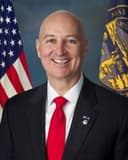
1 + 1
R· Nebraska
YRS IN OFFICE
3
BILLS LED
67
COSPONSOR BREAKDOWNBIPARTISAN · 0%
DEM 1 REP 0 IND 0
ACTION TIMELINE
3 EVENTSMAR 19
Committee on Health, Education, Labor, and Pensions. Hearings held.
NOV 20
Introduced in Senate
NOV 20
Read twice and referred to the Committee on Veterans' Affairs.
BILL INFO
TypeSenate Bill
NumberS 3245
Congress119th
StatusIn Committee
IntroducedNov 20, 2025
Last actionMar 19, 2026
READER REACTIONS
OVERALL SENTIMENT
No reactions yet. Be the first to weigh in.
Discussion
Loading comments...
IN COMMITTEE· 119TH CONGRESS · VETERANS' AFFAIRS COMMITTEE · INTRODUCED NOV 20, 2025
Senate BillS 3245Veterans' medical careMedical tests and diagnostic methods
MIND Our Veterans Act of 2025
INTRODUCED NOV 20, 2025· LAST ACTION MAR 19, 2026
PASSAGE CHANCES
—%
READING
3 min
COSPONSORS
1
COMPLEXITY
Moderate