Bills · S 3157
IN COMMITTEE· 119TH CONGRESS
Senate BillS 3157Agriculture and Food
School Meals for Healthy Kids Act of 2025
INTRO NOV 7· LAST ACTION NOV 7
READING
2MIN
COSPONSORS
1
READER REACTIONS0 TOTAL
NO VOTES YET · BE THE FIRST
- Introduced only
LEGISLATIVE PROGRESS
STEP 2 / 8Introduced
In Committee
Reported
Passed Senate
Passed House
Conference
To President
Became Law
WHAT THE BILL DOES
AI-writtenThis bill matters because it aims to make it easier for children to access nutritious meals at school, which is crucial for their health, learning, and overall well-being. By simplifying the enrollment process through direct certification, it can reduce administrative burdens for families and schools, and help ensure that eligible children don't miss out on meals due to paperwork hurdles or stigma. This can directly address food insecurity, which impacts many families across the country.
If this bill becomes law, schools participating in the Community Eligibility Provision will have more predictable federal support, as the multiplier used for reimbursement would be permanently set. This stability can help schools plan their budgets and continue to offer universal free meals, which has been shown to improve student attendance, reduce hunger, and improve academic performance. If it doesn't become law, states might face challenges in continuing direct certification via Medicaid, and the Community Eligibility Provision's funding mechanism could remain subject to regulatory changes, potentially creating uncertainty for schools and potentially impacting the number of students receiving free meals.
KEY PROVISIONS
4AI-extractedPROVISION 01
Allows states to permanently use Medicaid program data to directly certify children for free or reduced-price school meals.
This streamlines the enrollment process for eligible children, reducing paperwork for families and administrative burden for schools.
PROVISION 02
Sets the Community Eligibility Provision (CEP) multiplier at 1.6 for each school year.
This provides stable and predictable federal reimbursement for schools offering universal free meals, aiding budget planning.
PROVISION 03
Locks in the specific regulations for the Community Eligibility Provision (CEP) as they exist on the bill's enactment date.
This prevents future regulatory changes from easily altering how CEP operates, providing consistency for participating schools.
PROVISION 04
Removes a specific subclause from the law related to the Community Eligibility Provision (CEP).
This streamlines or clarifies the existing methodology for CEP schools, potentially removing outdated or redundant provisions.
SPONSORSHIP
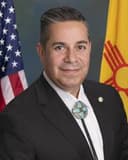
1 + 1
D· New Mexico
YRS IN OFFICE
17
BILLS LED
86
COSPONSOR BREAKDOWNBIPARTISAN · 0%
DEM 0 REP 1 IND 0
ACTION TIMELINE
2 EVENTSNOV 7
Introduced in Senate
NOV 7
Read twice and referred to the Committee on Agriculture, Nutrition, and Forestry.
BILL INFO
TypeSenate Bill
NumberS 3157
Congress119th
StatusIn Committee
IntroducedNov 7, 2025
Last actionNov 7, 2025
READER REACTIONS
OVERALL SENTIMENT
No reactions yet. Be the first to weigh in.
Discussion
Loading comments...
IN COMMITTEE· 119TH CONGRESS · AGRICULTURE, NUTRITION, AND FORESTRY COMMITTEE · INTRODUCED NOV 7, 2025
Senate BillS 3157Agriculture and Food
School Meals for Healthy Kids Act of 2025
INTRODUCED NOV 7, 2025· LAST ACTION NOV 7, 2025
PASSAGE CHANCES
—%
READING
2 min
COSPONSORS
1
COMPLEXITY
Moderate