Bills · S 3056
IN COMMITTEE· 119TH CONGRESS
Senate BillS 3056International Affairs
Combatting the Persecution of Religious Groups in China Act
INTRO OCT 27· LAST ACTION OCT 27
READING
3MIN
COSPONSORS
7
READER REACTIONS0 TOTAL
NO VOTES YET · BE THE FIRST
- Introduced only
LEGISLATIVE PROGRESS
STEP 2 / 8Introduced
In Committee
Reported
Passed Senate
Passed House
Conference
To President
Became Law
WHAT THE BILL DOES
AI-writtenThis bill matters because it formalizes and strengthens the U.S. government's commitment to addressing human rights and religious freedom concerns in China. If passed, it would explicitly direct the U.S. to use its power, including sanctions, against Chinese officials involved in persecuting religious minorities. This could put more international pressure on China to change its policies regarding religious freedom.
Without this bill, while the U.S. already has mechanisms to address human rights abuses, this legislation would make it an official policy specifically focused on religious persecution in China and explicitly invoke the Global Magnitsky Act for this purpose. It would ensure that promoting religious freedom in China remains a high priority for U.S. foreign policy and diplomatic efforts, potentially offering more robust support for persecuted groups.
KEY PROVISIONS
4AI-extractedPROVISION 01
States U.S. policy to consider Chinese officials responsible for religious freedom abuses as having committed gross human rights violations.
This formalizes the basis for applying sanctions against specific Chinese officials under existing U.S. law.
PROVISION 02
Directs the Department of State to promote religious freedom in China and monitor transnational repression of religious minorities.
This ensures U.S. diplomatic and foreign policy efforts are explicitly focused on these issues.
PROVISION 03
Expresses Congress's belief that the U.S. should designate China as a 'country of particular concern' for religious freedom.
This designation carries specific diplomatic and economic consequences under U.S. law, increasing international pressure.
PROVISION 04
Calls for strengthening diplomacy and raising cases of religious and political prisoners with Chinese officials, advocating for their release and humane treatment.
This directs specific actions to directly intervene on behalf of individuals suffering persecution.
SPONSORSHIP
1 + 7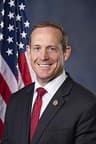
R· North Carolina
YRS IN OFFICE
9
BILLS LED
61
COSPONSOR BREAKDOWNBIPARTISAN · 0%
DEM 0 REP 7 IND 0
ACTION TIMELINE
2 EVENTSOCT 27
Introduced in Senate
OCT 27
Read twice and referred to the Committee on Foreign Relations.
BILL INFO
TypeSenate Bill
NumberS 3056
Congress119th
StatusIn Committee
IntroducedOct 27, 2025
Last actionOct 27, 2025
READER REACTIONS
OVERALL SENTIMENT
No reactions yet. Be the first to weigh in.
Discussion
Loading comments...
IN COMMITTEE· 119TH CONGRESS · FOREIGN RELATIONS COMMITTEE · INTRODUCED OCT 27, 2025
Senate BillS 3056International Affairs
Combatting the Persecution of Religious Groups in China Act
INTRODUCED OCT 27, 2025· LAST ACTION OCT 27, 2025
PASSAGE CHANCES
—%
READING
3 min
COSPONSORS
7
COMPLEXITY
Moderate