Bills · S 3008
IN COMMITTEE· 119TH CONGRESS
Senate BillS 3008Civil Rights and Liberties, Minority Issues
No Shari’a Act
INTRO OCT 15· LAST ACTION OCT 15
READING
3MIN
COSPONSORS
1
READER REACTIONS0 TOTAL
NO VOTES YET · BE THE FIRST
- Introduced only
LEGISLATIVE PROGRESS
STEP 2 / 8Introduced
In Committee
Reported
Passed Senate
Passed House
Conference
To President
Became Law
WHAT THE BILL DOES
AI-writtenThis bill matters because it seeks to explicitly reinforce that the U.S. Constitution and its guaranteed rights are the highest law in any American court, regardless of what foreign or religious legal systems might suggest. If passed, it would provide a clear rule preventing judges from enforcing any aspect of a foreign law, including Shari'a, that goes against fundamental American freedoms like equal protection or due process.
For voters, this means a formal assertion that their constitutional rights cannot be diminished by the application of foreign laws in U.S. legal proceedings. Without this bill, the exact boundaries of how foreign legal principles might be considered in certain U.S. cases could remain less defined, potentially leading to varied interpretations across different jurisdictions.
KEY PROVISIONS
4AI-extractedPROVISION 01
Prevents courts from enforcing judgments or arbitration decisions based on foreign law (including Shari'a) if they violate U.S. constitutional rights.
This directly sets the primary boundary for all court decisions involving foreign law, ensuring constitutional protections are always paramount.
PROVISION 02
States that contractual agreements choosing foreign law are only valid if they do not violate constitutional rights.
This ensures individuals' contract choices cannot bypass fundamental U.S. protections.
PROVISION 03
Prohibits courts from applying foreign law in family matters (like marriage or child custody) if it conflicts with fundamental rights or public policy.
This provides specific protection in highly personal and sensitive legal areas where constitutional rights are crucial.
PROVISION 04
Requires the Attorney General to issue regulations and provide judicial education to ensure the law is applied uniformly.
This aims for consistent application of these protections across all U.S. courts, providing clarity for judges and the public.
SPONSORSHIP
1 + 1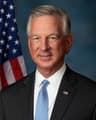
R· Alabama
YRS IN OFFICE
5
BILLS LED
41
COSPONSOR BREAKDOWNBIPARTISAN · 0%
DEM 0 REP 1 IND 0
ACTION TIMELINE
2 EVENTSOCT 15
Introduced in Senate
OCT 15
Read twice and referred to the Committee on the Judiciary.
BILL INFO
TypeSenate Bill
NumberS 3008
Congress119th
StatusIn Committee
IntroducedOct 15, 2025
Last actionOct 15, 2025
READER REACTIONS
OVERALL SENTIMENT
No reactions yet. Be the first to weigh in.
Discussion
Loading comments...
IN COMMITTEE· 119TH CONGRESS · JUDICIARY COMMITTEE · INTRODUCED OCT 15, 2025
Senate BillS 3008Civil Rights and Liberties, Minority Issues
No Shari’a Act
INTRODUCED OCT 15, 2025· LAST ACTION OCT 15, 2025
PASSAGE CHANCES
—%
READING
3 min
COSPONSORS
1
COMPLEXITY
Moderate