Bills · S 2944
IN COMMITTEE· 119TH CONGRESS
Senate BillS 2944Agriculture and Food
No Shame at School Act of 2025
INTRO SEP 30· LAST ACTION SEP 30
READING
5MIN
COSPONSORS
0
READER REACTIONS0 TOTAL
NO VOTES YET · BE THE FIRST
- Introduced only
LEGISLATIVE PROGRESS
STEP 2 / 8Introduced
In Committee
Reported
Passed Senate
Passed House
Conference
To President
Became Law
WHAT THE BILL DOES
AI-writtenThis bill matters because it aims to end 'lunch shaming,' a practice where children are singled out or treated differently if their families can't afford school meals. This can cause significant emotional harm and social exclusion for students. If this bill becomes law, children will be able to receive the nutritious meals they need without fear of embarrassment, ensuring their dignity and fostering a more inclusive school environment.
Furthermore, by requiring mandatory certification and proactive outreach for meal applications, the bill could increase the number of eligible children receiving free or reduced-price meals, improving food security for many families. If this bill doesn't become law, schools could continue practices that lead to lunch shaming, potentially increasing distress for students and making it harder for eligible families to access meal benefits.
KEY PROVISIONS
5AI-extractedPROVISION 01
Requires local school districts to make certain students automatically eligible for free or reduced-price meals, rather than it being optional.
This ensures more eligible students get access to affordable meals without extra steps for families, reducing barriers to food access.
PROVISION 02
Prohibits schools from identifying or shaming students for unpaid meal fees, such as by taking away food already served, using special tokens, or making public announcements.
This protects children's dignity and prevents emotional distress and social stigma associated with 'lunch shaming.'
PROVISION 03
Mandates that if a family owes a week or more of meal fees, the school must try to directly certify the child for free meals or offer an application and encourage its submission.
This provides a proactive pathway to ensure eligible children receive meals even when their families are struggling with payment.
PROVISION 04
Prohibits schools from withholding educational opportunities (like grades or participation in extracurricular activities) or using debt collectors over unpaid meal fees.
This prevents children from being penalized academically or socially due to their family's financial situation.
PROVISION 05
Allows school districts to get reimbursed for free or reduced-price meals served to a child from the start of the school year, even if the child's eligibility is determined later.
This helps schools recover costs and encourages them to provide meals even before formal eligibility is finalized, supporting meal program sustainability.
SPONSORSHIP
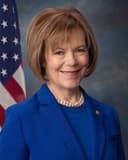
1 + 0
D· Minnesota
YRS IN OFFICE
7
BILLS LED
46
ACTION TIMELINE
2 EVENTSSEP 30
Introduced in Senate
SEP 30
Read twice and referred to the Committee on Agriculture, Nutrition, and Forestry.
BILL INFO
TypeSenate Bill
NumberS 2944
Congress119th
StatusIn Committee
IntroducedSep 30, 2025
Last actionSep 30, 2025
READER REACTIONS
OVERALL SENTIMENT
No reactions yet. Be the first to weigh in.
Discussion
Loading comments...
IN COMMITTEE· 119TH CONGRESS · AGRICULTURE, NUTRITION, AND FORESTRY COMMITTEE · INTRODUCED SEP 30, 2025
Senate BillS 2944Agriculture and Food
No Shame at School Act of 2025
INTRODUCED SEP 30, 2025· LAST ACTION SEP 30, 2025
PASSAGE CHANCES
—%
READING
5 min
COSPONSORS
0
COMPLEXITY
Moderate