Bills · S 2922
IN COMMITTEE· 119TH CONGRESS
Senate BillS 2922Transportation and Public Works
HOV Lane Exemption Reauthorization Act
INTRO SEP 19· LAST ACTION SEP 19
READING
1MIN
COSPONSORS
2BIPARTISAN
READER REACTIONS0 TOTAL
NO VOTES YET · BE THE FIRST
- Introduced only
LEGISLATIVE PROGRESS
STEP 2 / 8Introduced
In Committee
Reported
Passed Senate
Passed House
Conference
To President
Became Law
WHAT THE BILL DOES
AI-writtenThis bill matters because it directly impacts how certain clean cars are incentivized. If this bill becomes law, drivers of qualifying alternative fuel and clean vehicles will continue to enjoy the benefit of using HOV lanes, potentially reducing their commute times and encouraging the purchase and use of more environmentally friendly cars. This can contribute to cleaner air and reduced reliance on traditional fuels.
If the bill does not pass, the current exemption will expire on September 30, 2025. This would mean that drivers of these vehicles would no longer be able to use HOV lanes without meeting the standard passenger requirements, potentially leading to longer commutes for them and a minor shift in traffic patterns on HOV lanes. It could also reduce a key incentive for consumers to choose cleaner vehicles.
KEY PROVISIONS
1AI-extractedPROVISION 01
Extends the expiration date for alternative fuel and clean vehicle HOV lane exemptions from September 30, 2025, to September 30, 2026.
This provision allows drivers of qualified clean vehicles to continue using HOV lanes without meeting passenger requirements for an additional year.
SPONSORSHIP
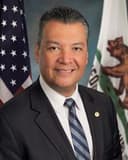
1 + 2
D· California
YRS IN OFFICE
3
BILLS LED
111
COSPONSOR BREAKDOWNBIPARTISAN · 100%
DEM 1 REP 1 IND 0
ACTION TIMELINE
2 EVENTSSEP 19
Introduced in Senate
SEP 19
Read twice and referred to the Committee on Environment and Public Works. (Sponsor introductory remarks on measure: CR S6794)
BILL INFO
TypeSenate Bill
NumberS 2922
Congress119th
StatusIn Committee
IntroducedSep 19, 2025
Last actionSep 19, 2025
READER REACTIONS
OVERALL SENTIMENT
No reactions yet. Be the first to weigh in.
Discussion
Loading comments...
IN COMMITTEE· 119TH CONGRESS · ENVIRONMENT AND PUBLIC WORKS COMMITTEE · INTRODUCED SEP 19, 2025
Senate BillS 2922Transportation and Public Works
HOV Lane Exemption Reauthorization Act
INTRODUCED SEP 19, 2025· LAST ACTION SEP 19, 2025
PASSAGE CHANCES
—%
READING
1 min
COSPONSORS
2
COMPLEXITY
Moderate