Bills · S 2807
REPORTED· 119TH CONGRESS
Senate BillS 2807Veterans' organizations and recognitionSex offenses
RESPECT Act of 2025
INTRO SEP 16· LAST ACTION MAR 18
READING
2MIN
COSPONSORS
5BIPARTISAN
READER REACTIONS0 TOTAL
NO VOTES YET · BE THE FIRST
- Reported, not passed
LEGISLATIVE PROGRESS
STEP 3 / 8Introduced
In Committee
Reported
Passed Senate
Passed House
Conference
To President
Became Law
WHAT THE BILL DOES
AI-writtenThis bill matters because it sets clear boundaries for when and how the government can revisit decisions about who is buried in our national cemeteries. By establishing a cutoff date of June 18, 1973, for reconsidering past burial decisions, it provides finality for many older cases, which could streamline administrative processes but also means that any perceived injustices or errors from decisions made before that date cannot be corrected. If this bill becomes law, families seeking to challenge very old burial decisions will lose that ability, whereas if it doesn't pass, such challenges might remain possible.
The bill also clarifies the precise legal definition of a 'tier III sex offender' in the context of national cemetery eligibility. This clarification aims to ensure that the rules for denying burial to certain offenders are applied consistently, preventing ambiguity and ensuring that criteria are strictly followed. This change could impact a small number of individuals and their families by solidifying the legal standard for exclusion based on serious sexual offenses.
KEY PROVISIONS
3AI-extractedPROVISION 01
Limits the ability to reconsider national cemetery burial decisions to only those made on or after June 18, 1973.
This provision prevents the government from re-evaluating very old burial decisions, creating finality but also closing avenues for families to challenge decisions made before this date.
PROVISION 02
Updates the specific legal reference for defining a "tier III sex offender" within the rules for national cemetery eligibility.
This ensures a precise and consistent application of the law regarding who can be denied burial due to serious sex offender status.
PROVISION 03
Repeals subsection (c) of Section 2 of the Alicia Dawn Koehl Respect for National Cemeteries Act.
This removes an existing provision from a related law, altering the legal framework governing national cemeteries, though the specific impact depends on the content of the repealed subsection.
SPONSORSHIP
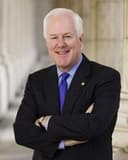
1 + 5
R· Texas
YRS IN OFFICE
23
BILLS LED
137
COSPONSOR BREAKDOWNBIPARTISAN · 80%
DEM 3 REP 2 IND 0
ACTION TIMELINE
4 EVENTSMAR 18
Committee on Veterans' Affairs. Ordered to be reported with an amendment in the nature of a substitute favorably.
DEC 10
Committee on Veterans' Affairs. Hearings held. Hearings printed: S.Hrg. 119-247.
SEP 16
Introduced in Senate
SEP 16
Read twice and referred to the Committee on Veterans' Affairs.
BILL INFO
TypeSenate Bill
NumberS 2807
Congress119th
StatusReported
IntroducedSep 16, 2025
Last actionMar 18, 2026
READER REACTIONS
OVERALL SENTIMENT
No reactions yet. Be the first to weigh in.
Discussion
Loading comments...
REPORTED· 119TH CONGRESS · VETERANS' AFFAIRS COMMITTEE · INTRODUCED SEP 16, 2025
Senate BillS 2807Veterans' organizations and recognitionSex offenses
RESPECT Act of 2025
INTRODUCED SEP 16, 2025· LAST ACTION MAR 18, 2026
PASSAGE CHANCES
—%
READING
2 min
COSPONSORS
5
COMPLEXITY
Moderate