Bills · S 2692
IN COMMITTEE· 119TH CONGRESS
Senate BillS 2692Agriculture and Food
Agricultural Biotechnology Coordination Act
INTRO SEP 3· LAST ACTION SEP 3
READING
2MIN
COSPONSORS
1
READER REACTIONS0 TOTAL
NO VOTES YET · BE THE FIRST
- Introduced only
LEGISLATIVE PROGRESS
STEP 2 / 8Introduced
In Committee
Reported
Passed Senate
Passed House
Conference
To President
Became Law
WHAT THE BILL DOES
AI-writtenThis bill matters because it addresses how the government manages rapidly evolving agricultural technologies. Currently, policies around biotechnology can sometimes be fragmented or unclear, which can slow down innovation or create uncertainty for farmers and businesses. If this bill becomes law, having a central office dedicated to coordinating these policies could lead to more consistent rules, faster research development, and clearer guidance for everyone involved.
Without this bill, the current system for managing agricultural biotechnology might remain less coordinated, potentially leading to continued challenges for innovators, unclear consumer information, and slower adoption of new technologies that could impact food production efficiency, sustainability, and global trade. It aims to ensure the U.S. agriculture sector remains competitive and that new technologies are developed and regulated responsibly.
KEY PROVISIONS
5AI-extractedPROVISION 01
Requires the U.S. Department of Agriculture (USDA) to establish an "Office of Biotechnology Policy."
Creates a dedicated, centralized point of contact and coordination for all biotechnology-related matters within the USDA.
PROVISION 02
Directs the Secretary of Agriculture to prioritize biotechnology within the Department, covering areas like biomanufacturing and synthetic biology.
Elevates the importance of these advanced technologies within USDA's overall mission and strategy.
PROVISION 03
Assigns the office duties including coordinating policies for research, communication, regulation, commercialization, and trade of biotechnology.
Ensures a comprehensive and consistent approach to biotechnology from development to market across different aspects.
PROVISION 04
Mandates interagency coordination with other federal bodies like the Environmental Protection Agency (EPA) and the Food and Drug Administration (FDA), and state agencies.
Aims to create a unified regulatory and policy environment across different government levels for biotechnology.
PROVISION 05
Requires the office to consult with biotechnology developers, academics, farmers, and other affected groups.
Ensures that diverse perspectives and practical impacts are considered in policy development.
SPONSORSHIP
1 + 1
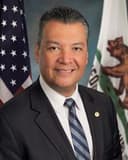
D· California
YRS IN OFFICE
3
BILLS LED
111
COSPONSOR BREAKDOWNBIPARTISAN · 0%
DEM 0 REP 1 IND 0
ACTION TIMELINE
2 EVENTSSEP 3
Introduced in Senate
SEP 3
Read twice and referred to the Committee on Agriculture, Nutrition, and Forestry.
BILL INFO
TypeSenate Bill
NumberS 2692
Congress119th
StatusIn Committee
IntroducedSep 3, 2025
Last actionSep 3, 2025
READER REACTIONS
OVERALL SENTIMENT
No reactions yet. Be the first to weigh in.
Discussion
Loading comments...
IN COMMITTEE· 119TH CONGRESS · AGRICULTURE, NUTRITION, AND FORESTRY COMMITTEE · INTRODUCED SEP 3, 2025
Senate BillS 2692Agriculture and Food
Agricultural Biotechnology Coordination Act
INTRODUCED SEP 3, 2025· LAST ACTION SEP 3, 2025
PASSAGE CHANCES
—%
READING
2 min
COSPONSORS
1
COMPLEXITY
Moderate