Bills · S 2643
IN COMMITTEE· 119TH CONGRESS
Senate BillS 2643Environmental Protection
Seedlings for Sustainable Habitat Restoration Act of 2025
INTRO AUG 1· LAST ACTION AUG 1
READING
2MIN
COSPONSORS
2BIPARTISAN
READER REACTIONS0 TOTAL
NO VOTES YET · BE THE FIRST
- Introduced only
LEGISLATIVE PROGRESS
STEP 2 / 8Introduced
In Committee
Reported
Passed Senate
Passed House
Conference
To President
Became Law
WHAT THE BILL DOES
AI-writtenVoters should care about this bill because it addresses a critical need for restoring natural environments damaged by events like wildfires, drought, and invasive species. When forests and other habitats are damaged, the health of entire ecosystems, including the air we breathe and the water we drink, is at risk. Effective restoration often relies on planting native seeds and seedlings to ensure the landscape can recover sustainably.
If this bill becomes law, it would make it easier and potentially faster for the government to acquire the necessary native plant materials by engaging a broader network of partners with diverse expertise and resources. This could lead to more successful and widespread restoration efforts. If it doesn't pass, existing restoration programs might continue to face challenges in securing enough native seeds and seedlings, potentially slowing down recovery efforts and leaving vulnerable landscapes at higher risk.
KEY PROVISIONS
4AI-extractedPROVISION 01
Authorizes the Forest Service to enter into contracts, grants, or agreements with various entities for native seed collection/maintenance and seedling production.
This expands the Forest Service's ability to partner with more groups, speeding up the supply of essential materials for ecosystem restoration.
PROVISION 02
Amends the Infrastructure Investment and Jobs Act to explicitly allow its funds to be used for native seed collection and seedling production.
This ensures that significant federal funding can directly support critical early stages of ecological restoration.
PROVISION 03
Amends the Collaborative Forest Landscape Restoration Program to specifically include native seed collection and seedling production as eligible activities.
This clarifies and strengthens the focus of a major restoration program on securing the necessary plant materials.
PROVISION 04
Adds institutions of higher education (universities) as eligible partners for the Collaborative Forest Landscape Restoration Program.
This brings academic research, expertise, and resources directly into federal restoration initiatives.
SPONSORSHIP
1 + 2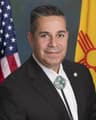
D· New Mexico
YRS IN OFFICE
17
BILLS LED
86
COSPONSOR BREAKDOWNBIPARTISAN · 100%
DEM 1 REP 1 IND 0
ACTION TIMELINE
2 EVENTSAUG 1
Introduced in Senate
AUG 1
Read twice and referred to the Committee on Agriculture, Nutrition, and Forestry.
BILL INFO
TypeSenate Bill
NumberS 2643
Congress119th
StatusIn Committee
IntroducedAug 1, 2025
Last actionAug 1, 2025
READER REACTIONS
OVERALL SENTIMENT
No reactions yet. Be the first to weigh in.
Discussion
Loading comments...
IN COMMITTEE· 119TH CONGRESS · AGRICULTURE, NUTRITION, AND FORESTRY COMMITTEE · INTRODUCED AUG 1, 2025
Senate BillS 2643Environmental Protection
Seedlings for Sustainable Habitat Restoration Act of 2025
INTRODUCED AUG 1, 2025· LAST ACTION AUG 1, 2025
PASSAGE CHANCES
—%
READING
2 min
COSPONSORS
2
COMPLEXITY
Moderate