Bills · S 2568
IN COMMITTEE· 119TH CONGRESS
Senate BillS 2568Labor and Employment
Protecting American Jobs Act
INTRO JUL 31· LAST ACTION JUL 31
READING
5MIN
COSPONSORS
0
READER REACTIONS0 TOTAL
NO VOTES YET · BE THE FIRST
- Introduced only
LEGISLATIVE PROGRESS
STEP 2 / 8Introduced
In Committee
Reported
Passed Senate
Passed House
Conference
To President
Became Law
WHAT THE BILL DOES
AI-writtenThis bill matters because it fundamentally redefines how labor disputes are resolved in the United States, shifting responsibility from an expert administrative agency to the broader federal court system. If passed, it could make it significantly harder and more expensive for workers and unions to pursue unfair labor practice claims, as they would lose the NLRB's support in investigating and prosecuting cases. This might lead to fewer claims being brought forward and could alter the balance of power in labor relations.
For businesses, it means a different legal landscape for labor issues, potentially fewer interactions with a specialized agency but more exposure to federal court litigation, which can be both expensive and protracted. It also severely restricts the NLRB's ability to issue new rules or adapt existing ones to changing workplace dynamics. This could result in less uniform application of labor law, as interpretations would depend on individual court rulings rather than consistent agency guidance.
KEY PROVISIONS
5AI-extractedPROVISION 01
Eliminates the National Labor Relations Board's (NLRB) authority to investigate, issue complaints, hold hearings, and adjudicate unfair labor practice cases.
This fundamentally changes the process for resolving labor disputes, removing the specialized administrative process that currently handles these cases.
PROVISION 02
Requires individuals or groups alleging an unfair labor practice to file a civil lawsuit in federal district court, rather than a charge with the NLRB.
This shifts the burden and cost of prosecuting labor claims from the NLRB to the affected private parties, potentially making it harder for individuals.
PROVISION 03
Limits the NLRB's rulemaking power strictly to internal functions, preventing it from creating rules that affect the rights of employees, employers, or unions.
This prevents the NLRB from setting broad policies or interpretations of labor law, leading to case-by-case judicial decisions rather than consistent agency guidance.
PROVISION 04
Removes the General Counsel's duty to prosecute complaints and eliminates most of the sections detailing the NLRB's administrative hearing and enforcement processes.
This reinforces the shift away from administrative adjudication by dismantling the procedural framework and staffing for it.
PROVISION 05
Mandates the NLRB to review and revise or rescind existing regulations within six months to comply with its newly limited rulemaking authority.
This ensures that current agency rules affecting substantive rights would be removed, further reducing the NLRB's regulatory influence.
SPONSORSHIP
1 + 0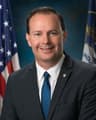
R· Utah
YRS IN OFFICE
15
BILLS LED
138
ACTION TIMELINE
2 EVENTSJUL 31
Introduced in Senate
JUL 31
Read twice and referred to the Committee on Health, Education, Labor, and Pensions.
BILL INFO
TypeSenate Bill
NumberS 2568
Congress119th
StatusIn Committee
IntroducedJul 31, 2025
Last actionJul 31, 2025
READER REACTIONS
OVERALL SENTIMENT
No reactions yet. Be the first to weigh in.
Discussion
Loading comments...
IN COMMITTEE· 119TH CONGRESS · HEALTH, EDUCATION, LABOR, AND PENSIONS COMMITTEE · INTRODUCED JUL 31, 2025
Senate BillS 2568Labor and Employment
Protecting American Jobs Act
INTRODUCED JUL 31, 2025· LAST ACTION JUL 31, 2025
PASSAGE CHANCES
—%
READING
5 min
COSPONSORS
0
COMPLEXITY
Moderate