Bills · S 2534
IN COMMITTEE· 119TH CONGRESS
Senate BillS 2534Armed Forces and National Security
Veteran Families Health Services Act of 2025
INTRO JUL 30· LAST ACTION JUL 30
READING
16MIN
COSPONSORS
24
READER REACTIONS0 TOTAL
NO VOTES YET · BE THE FIRST
- Introduced only
LEGISLATIVE PROGRESS
STEP 2 / 8Introduced
In Committee
Reported
Passed Senate
Passed House
Conference
To President
Became Law
WHAT THE BILL DOES
AI-writtenThis bill matters because it directly addresses a critical gap in support for military families, recognizing the unique challenges service members face in building families. Military service can involve deployments, dangerous assignments, and injuries that can make having children difficult or impossible. By expanding access to fertility treatments, including covering the costs of donated genetic material, and ensuring fertility preservation after injury, the bill helps service members and their partners pursue parenthood despite these challenges.
If this bill becomes law, it would mean more equitable access to family-building options for all active-duty personnel, regardless of their personal circumstances, gender identity, or sexual orientation. If it doesn't pass, many service members and their families would continue to face significant financial and logistical barriers to accessing necessary fertility and reproductive care, potentially delaying or preventing them from starting or expanding their families. It also highlights a commitment to supporting the well-being and long-term family planning of those who serve.
KEY PROVISIONS
5AI-extractedPROVISION 01
Requires the Department of Defense (DoD) to provide a wide range of fertility treatments and counseling to active-duty service members, their spouses, partners, and gestational surrogates.
This significantly expands access to family-building options for military personnel and their loved ones.
PROVISION 02
Specifies that fertility treatment eligibility will not be based on an individual's sex, sex characteristics, gender identity, sexual orientation, infertility diagnosis, or marital status.
This ensures equitable access to fertility services for all active-duty service members, including single individuals and LGBTQ+ service members.
PROVISION 03
Allows for up to three completed oocyte retrievals and unlimited embryo transfers for in vitro fertilization (IVF) treatments.
This provides more comprehensive IVF coverage, acknowledging that multiple attempts are often needed for successful conception.
PROVISION 04
Mandates the Department of Defense to establish procedures for retrieving and preserving reproductive genetic material (sperm or eggs) from active-duty members whose fertility is jeopardized by an injury or illness incurred on duty.
This safeguards the future family-building potential of service members who suffer severe injuries or illnesses during their service.
PROVISION 05
Requires the Department of Defense to pay or reimburse reasonable costs for procuring donated reproductive genetic material if an active-duty member is unable to provide their own.
This removes a significant financial barrier for service members who need donor genetic material to pursue fertility treatments.
SPONSORSHIP
1 + 24
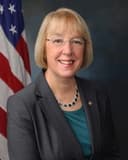
D· Washington
YRS IN OFFICE
33
BILLS LED
47
COSPONSOR BREAKDOWNBIPARTISAN · 0%
DEM 22 REP 0 IND 2
ACTION TIMELINE
2 EVENTSJUL 30
Introduced in Senate
JUL 30
Read twice and referred to the Committee on Veterans' Affairs.
BILL INFO
TypeSenate Bill
NumberS 2534
Congress119th
StatusIn Committee
IntroducedJul 30, 2025
Last actionJul 30, 2025
READER REACTIONS
OVERALL SENTIMENT
No reactions yet. Be the first to weigh in.
Discussion
Loading comments...
IN COMMITTEE· 119TH CONGRESS · VETERANS' AFFAIRS COMMITTEE · INTRODUCED JUL 30, 2025
Senate BillS 2534Armed Forces and National Security
Veteran Families Health Services Act of 2025
INTRODUCED JUL 30, 2025· LAST ACTION JUL 30, 2025
PASSAGE CHANCES
—%
READING
16 min
COSPONSORS
24
COMPLEXITY
Moderate