Bills · S 2442
IN COMMITTEE· 119TH CONGRESS
Senate BillS 2442Agriculture and Food
O DAIRY Act of 2025
INTRO JUL 24· LAST ACTION JUL 24
READING
8MIN
COSPONSORS
4
READER REACTIONS0 TOTAL
NO VOTES YET · BE THE FIRST
- Introduced only
LEGISLATIVE PROGRESS
STEP 2 / 8Introduced
In Committee
Reported
Passed Senate
Passed House
Conference
To President
Became Law
WHAT THE BILL DOES
AI-writtenVoters should care about this bill because it addresses challenges faced by a specific segment of the agricultural industry: organic dairy. Organic dairy farmers often face unique hurdles, such as higher input costs for certified organic feed and limited access to processing facilities, which can make their operations less stable. If this bill becomes law, it could help stabilize the financial situation for organic dairy farms by offering a safety net against significant income drops due to rising costs, which current disaster programs may not fully cover.
Improved data collection could also bring more transparency to the organic dairy market, potentially helping farmers make better business decisions and giving policymakers a clearer picture of the industry's health. The proposed investments in processing infrastructure could lead to more regional organic dairy options, reducing transportation costs and strengthening local food systems. If the bill doesn't pass, organic dairy farmers may continue to struggle with financial instability during periods of high input costs, and the organic dairy supply chain may remain fragmented, potentially limiting growth and consumer access to regionally produced organic products.
KEY PROVISIONS
4AI-extractedPROVISION 01
Expands an existing disaster relief program (ELAP) to cover organic dairy farmers' income losses of more than 10% due to increased feed or other input costs.
This provides a crucial financial safety net for organic dairy farmers, who often face volatile feed prices and higher input costs, protecting them from significant income drops.
PROVISION 02
Requires the USDA to collect and publish more detailed data on organic milk production costs, feed prices, and establish a new 'Organic All Milk Prices Survey'.
Better data gives organic dairy farmers and the public a clearer understanding of market conditions, helping farmers make informed decisions and improving industry transparency.
PROVISION 03
Directs the USDA to propose new safety net programs specifically for organic dairy farms, based on organic-specific cost data, prioritizing small operations.
This aims to create long-term financial stability for organic dairy farms, addressing their unique cost structures and ensuring smaller farms receive targeted support.
PROVISION 04
Establishes a funding program for investments in organic dairy processing infrastructure, including new plants, on-farm processing, and expanding regional capacity for small farms.
This provision addresses a key bottleneck in the organic dairy supply chain, helping farmers get their milk processed and supporting the development of local and regional organic markets.
SPONSORSHIP
1 + 4
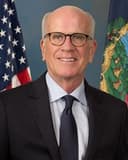
D· Vermont
YRS IN OFFICE
19
BILLS LED
84
COSPONSOR BREAKDOWNBIPARTISAN · 0%
DEM 3 REP 0 IND 1
ACTION TIMELINE
2 EVENTSJUL 24
Introduced in Senate
JUL 24
Read twice and referred to the Committee on Agriculture, Nutrition, and Forestry.
BILL INFO
TypeSenate Bill
NumberS 2442
Congress119th
StatusIn Committee
IntroducedJul 24, 2025
Last actionJul 24, 2025
READER REACTIONS
OVERALL SENTIMENT
No reactions yet. Be the first to weigh in.
Discussion
Loading comments...
IN COMMITTEE· 119TH CONGRESS · AGRICULTURE, NUTRITION, AND FORESTRY COMMITTEE · INTRODUCED JUL 24, 2025
Senate BillS 2442Agriculture and Food
O DAIRY Act of 2025
INTRODUCED JUL 24, 2025· LAST ACTION JUL 24, 2025
PASSAGE CHANCES
—%
READING
8 min
COSPONSORS
4
COMPLEXITY
Moderate