Bills · S 2390
IN COMMITTEE· 119TH CONGRESS
Senate BillS 2390Housing and Community Development
Unlocking Housing Supply Through Streamlined and Modernized Reviews Act
INTRO JUL 23· LAST ACTION JUL 23
READING
6MIN
COSPONSORS
4BIPARTISAN
READER REACTIONS0 TOTAL
NO VOTES YET · BE THE FIRST
- Introduced only
LEGISLATIVE PROGRESS
STEP 2 / 8Introduced
In Committee
Reported
Passed Senate
Passed House
Conference
To President
Became Law
WHAT THE BILL DOES
AI-writtenVoters should care about this bill because it directly addresses the often-discussed challenges of housing affordability and supply across the country. If passed, it could speed up the construction and renovation of certain housing types, potentially leading to more available homes and possibly lower housing costs in the long run. By reducing the regulatory burden of federal environmental reviews, the bill aims to remove a common bottleneck in the development process.
However, it also raises questions about environmental protection. If the bill becomes law, some housing projects would face less stringent environmental scrutiny, meaning potential environmental impacts might not be as thoroughly assessed as they are currently. If it doesn't pass, housing development might continue to face the existing environmental review timelines, which proponents argue contribute to higher costs and slower delivery of new housing.
KEY PROVISIONS
4AI-extractedPROVISION 01
Requires HUD to reclassify certain housing-related activities as 'exempt' from NEPA reviews.
This means activities like rental assistance or support services would no longer require any federal environmental review, speeding up delivery of aid.
PROVISION 02
Mandates HUD to classify small-scale public facility repairs, 1-4 unit residential rehabilitations, and up to 4 scattered site new housing units as less stringent 'categorical exclusions'.
These common housing activities would undergo a simplified environmental review process, making them faster and cheaper to complete.
PROVISION 03
Directs HUD to include conversions of office buildings to residential use, infill projects, and 5-15 unit housing developments under existing 'categorical exclusions' categories.
This would streamline environmental reviews for larger urban redevelopment and infill projects, potentially increasing housing density in existing areas.
PROVISION 04
Defines an 'infill project' as development on previously disturbed urban land, 5 acres or less, surrounded by existing development, that reuses vacant land or structures.
This definition specifically targets redevelopment within existing communities, aiming to reduce urban sprawl and utilize underused land efficiently.
SPONSORSHIP
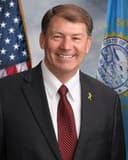
1 + 4
R· South Dakota
YRS IN OFFICE
11
BILLS LED
63
COSPONSOR BREAKDOWNBIPARTISAN · 50%
DEM 3 REP 1 IND 0
ACTION TIMELINE
2 EVENTSJUL 23
Introduced in Senate
JUL 23
Read twice and referred to the Committee on Environment and Public Works.
BILL INFO
TypeSenate Bill
NumberS 2390
Congress119th
StatusIn Committee
IntroducedJul 23, 2025
Last actionJul 23, 2025
READER REACTIONS
OVERALL SENTIMENT
No reactions yet. Be the first to weigh in.
Discussion
Loading comments...
IN COMMITTEE· 119TH CONGRESS · ENVIRONMENT AND PUBLIC WORKS COMMITTEE · INTRODUCED JUL 23, 2025
Senate BillS 2390Housing and Community Development
Unlocking Housing Supply Through Streamlined and Modernized Reviews Act
INTRODUCED JUL 23, 2025· LAST ACTION JUL 23, 2025
PASSAGE CHANCES
—%
READING
6 min
COSPONSORS
4
COMPLEXITY
Moderate